As ideological calls for ‘Akhand Bharat’ intensify, New Delhi balances a high-stakes calculus across the Himalayas
Between strategic restraint and nuclear deterrence, how far can Narendra Modi’s doctrine push the Kashmir frontier?
When Narendra Modi assumed leadership in 2014, his public stances broke sharply from decades of diplomatic ambiguity. Reclaiming Pakistan-occupied Kashmir (PoK)comprising “Azad Kashmir” alongside the northern territory of Gilgit-Baltistan was framed not merely as an unresolved border dispute, but as an article of constitutional and civilizational justice.
Over a decade later, the narrative of assertive national security has altered India’s defensive posture. The cross-LoC surgical strikes of 2016, the Balakot aerial engagement of 2019, and the August 2019 reorganization of Jammu and Kashmir proved that New Delhi is willing to challenge long-standing dogmas. Senior cabinet officials, including Home Minister Amit Shah and External Affairs Minister S. Jaishankar, have repeatedly reiterated on the floor of Parliament that PoK remains an integral and inalienable component of the Indian Republic.
Yet, as political discourse meets frontline military planning, a fundamental question persists: Is New Delhi practically prepared to cross the Line of Control, and where does international diplomacy stand?
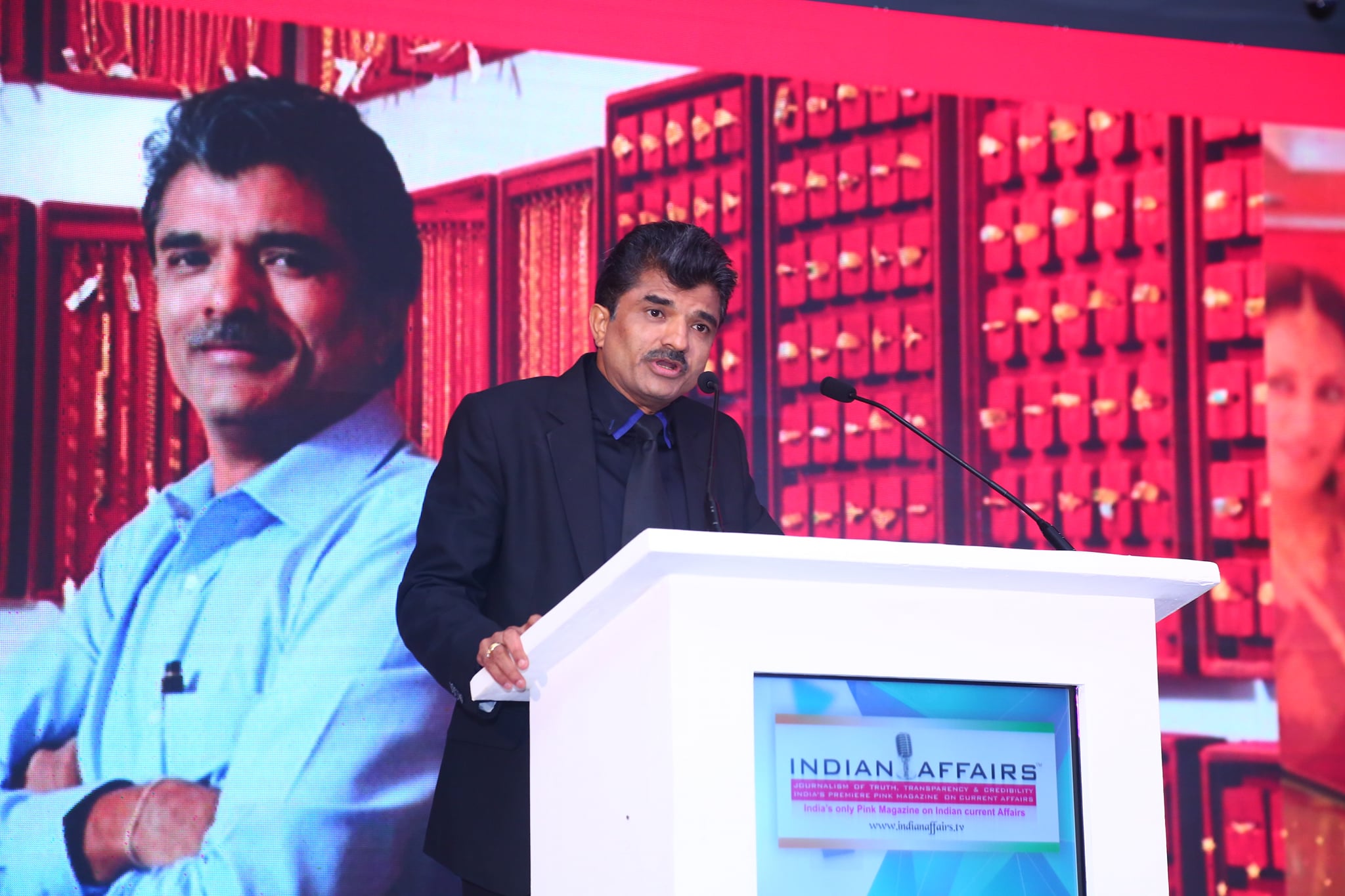
“Foreign policy and national security cannot be steered purely by the heat of domestic political rhetoric,” observed Dr. Satya Brahma, Founder Chairman and Editor-in-Chief of Network 7 Media Group. “True power lies in the hard arithmetic of economic endurance, diplomatic leverage, and strategic sanity. While the historical claim over PoK is non-negotiable under Indian law, any kinetic miscalculation in a nuclear-armed neighborhood carries consequences that transcend the theater of war. India must separate electoral symbolism from statecraft.”
The Diplomatic Battlefield: Global Support and Pakistan’s Isolation
The geopolitical dynamics surrounding Kashmir have shifted significantly in New Delhi’s favor over the past decade, reshaping the diplomatic landscape:
- Erosion of International Mediation: Major global powers, including the United States, France, and key European partners, increasingly treat Kashmir as a strictly bilateral issue governed by the 1972 Simla framework. High-level engagements and statements from Western diplomats—such as recent remarks by the U.S. diplomatic mission in India emphasizing Jammu and Kashmir as an integral part of the nation—highlight growing international normalization of India’s administrative jurisdiction.
- Shift in the Islamic World: Islamabad’s historical reliance on the Organization of Islamic Cooperation (OIC) has seen diminishing returns. Gulf powers like the United Arab Emirates and Saudi Arabia have broadened strategic and economic partnerships with New Delhi, opting for trade integration over backing Islamabad’s diplomatic resolutions.
- Can Pakistan Muster Global Support?: Facing chronic economic distress, balance-of-payments crises, and domestic political instability, Pakistan struggles to mobilize international coalitions. Beyond diplomatic backing from Beijing—anchored primarily in securing the China-Pakistan Economic Corridor (CPEC) route through Gilgit-Baltistan—Islamabad finds its calls for UN intervention meeting broad indifference on the multilateral stage.
- Multilateral Pushback: At forums like the United Nations Security Council, Indian representatives, including India’s Permanent Mission to the UN, have increasingly pivoted to an offensive posture, spotlighting human rights suppression, lack of civil liberties, and local discontent within PoK to counter Pakistan’s narrative.
The Evolution of the Line: Historical Milestones
The current standoff across the Line of Control is rooted in eight decades of military conflict, treaties, and legislative mandates:
- October 1947 (The Accession): Maharaja Hari Singh signed the Instrument of Accession to India amidst an invasion by Pakistan-backed tribal militias and soldiers. While Indian forces secured the Kashmir Valley, fighting halted under a ceasefire before the entire territory was cleared.
- January 1, 1949 (UN Ceasefire): The United Nations mediated a ceasefire that established the formal Ceasefire Line, leaving one-third of the territory under Islamabad’s control.
- 1963 (The Sino-Pakistan Boundary Pact): Pakistan ceded over 5,000 square kilometers of the Shaksgam Valley in northern Gilgit-Baltistan to Beijing, tying China’s territorial ambitions directly into the Kashmir frontier.
- July 1972 (Simla Agreement): Following the 1971 war, Indira Gandhi and Zulfikar Ali Bhutto converted the ceasefire line into the Line of Control (LoC), committing both nations to settle disputes bilaterally without third-party intervention.
- February 1994 (Unanimous Parliamentary Resolution): The Indian Parliament, under Prime Minister P.V. Narasimha Rao, passed a binding resolution mandating that Pakistan vacate all areas of Jammu and Kashmir under its illegal occupation.
- May–July 1999 (Kargil Conflict): Indian forces evicted infiltrators while exercising strategic restraint by deliberately refusing to breach the LoC, preserving critical international diplomatic support.
- August 2019 (Reorganization): The abrogation of Article 370 and the bifurcation into Union Territories left 24 seats deliberately vacant in the J&K Legislative Assembly for PoK representatives, codifying the territorial claim into modern administration.
Strategic and Economic Realities
A full-scale military campaign to retake PoK presents severe operational obstacles:
- The Nuclear Threshold: Rawalpindi’s “Full Spectrum Deterrence” doctrine incorporates tactical battlefield nuclear assets designed to blunt deep conventional armor thrusts.
- The Two-Front Equation: Gilgit-Baltistan serves as the foundational transit corridor for CPEC. An Indian ground push into the region would directly threaten Chinese logistical investments, raising the risk of coordinated military pressure along the northern borders.
- Logistics of High-Altitude Warfare: Tactical operations across the Karakoram and Pir Panjal ranges demand high attacker-to-defender force ratios, making sweeping territorial captures logistically demanding.
- Demographic Integration: Managing and administering several million residents who have lived under Pakistani administrative and educational structures for nearly 80 years would present significant long-term internal security challenges.
- Macroeconomic Stability: Prolonged military conflict would introduce major volatility to foreign investments, raise energy import costs, and disrupt India’s trajectory as a leading global economic engine.
The Shift Toward Asymmetric Containment
Rather than initiating an all-out conventional ground offensive, New Delhi’s actual policy has pivoted toward asymmetric encirclement. India continues to widen the defense budget and technological disparity against an economically stressed Pakistan, deploy precision retaliatory capabilities against cross-border proxies, and emphasize mounting local socioeconomic discontent within Gilgit-Baltistan and PoK.
While the rhetoric of assertive nationalism remains a potent domestic instrument, India’s military posture remains anchored in cost-benefit realism—where strategic deterrence, rather than uncontained conflict, defines the status quo.
Author


Satya Brahma’s Vision India
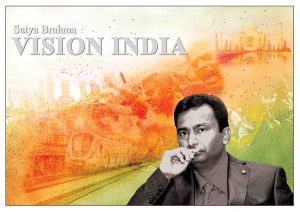
Photo Gallery