Budget for Vikasit Bharat: Highways Built, Households Ignored
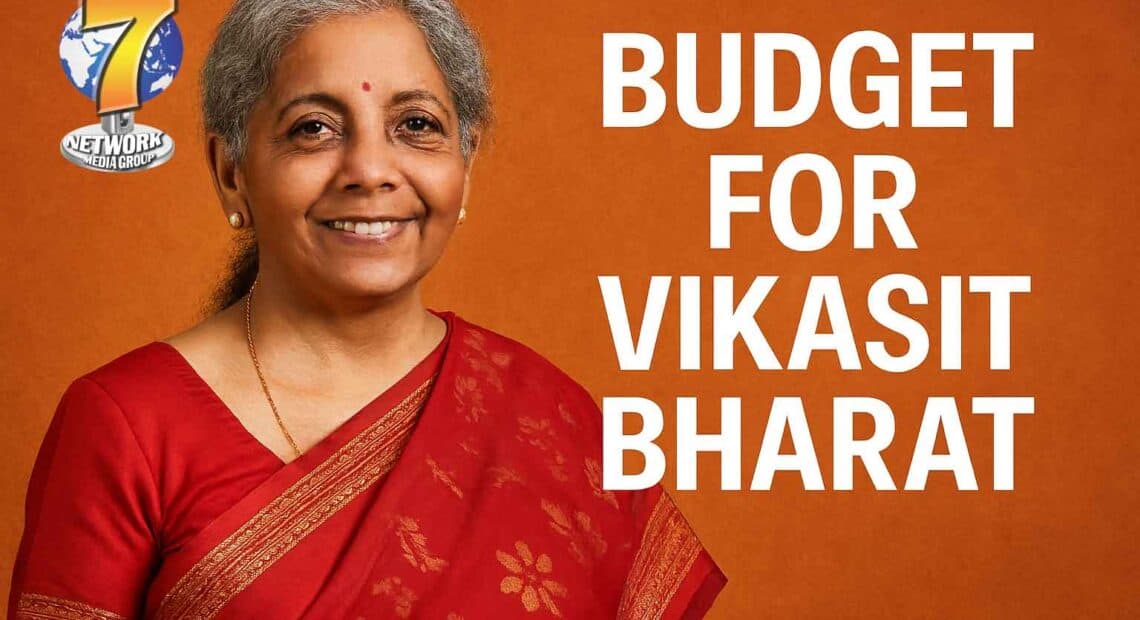
Union Budget 2026, presented by Finance Minister Nirmala Sitharaman, has been hailed for its bold push on infrastructure and manufacturing but criticized for falling short on direct relief for the common man. While the government emphasized fiscal discipline and growth, everyday citizens saw limited tangible benefits in terms of disposable income and social security.
Union Budget 2026, while ambitious in its infrastructure and industrial roadmap, leaves critical gaps in addressing the immediate needs of India’s working class and vulnerable communities. The government’s narrative of “Vikasit Bharat” is forward-looking, yet the absence of direct tax relief and muted welfare expansion raises concerns about inclusivity. For Network 7 Media Group, this Budget reflects a widening disconnect between macroeconomic vision and microeconomic reality. As India builds highways to prosperity, it must not overlook the households waiting for relief.
Union Budget 2026: Hits & Misses
Hits ✅
- Infrastructure Push: Capital expenditure raised to ₹12.2 lakh crore, with seven new high-speed rail corridors announced, signaling long-term growth and connectivity.
- Healthcare Relief: Customs duty waived on cancer drugs and expansion of Ayush institutes, offering some respite in critical health sectors.
- Technology & Industry: Launch of Semiconductor Mission 2.0 with ₹40,000 crore outlay, reinforcing India’s ambition to be a global tech hub.
- Fiscal Discipline: Net borrowing pegged at ₹11.7 lakh crore, maintaining investor confidence and macroeconomic stability.
Misses ❌
- Tax Relief Absent: Despite repeated mentions of “tax” in the speech (55 times), no significant changes in income tax slabs were announced, leaving salaried middle-class households disappointed.
- Welfare Gaps: While manufacturing and MSMEs received strong backing, direct support for farmers, rural employment, and social welfare schemes was muted.
- Cost of Living Concerns: Inflationary pressures remain unaddressed, with no substantial measures to ease household budgets.
- Continuity Over Innovation: Much of the Budget was seen as a continuation of existing policies rather than introducing bold reforms for immediate citizen relief.
Has It Fulfilled the Aspirations of the Common Man?
The Budget’s emphasis on long-term growth through infrastructure and industry is commendable, but the aspirations of the common man—lower taxes, affordable healthcare, job security, and relief from rising costs—remain only partially met. The government’s narrative of “growth and governance” seems distant from the everyday struggles of households, especially in rural and semi-urban India.
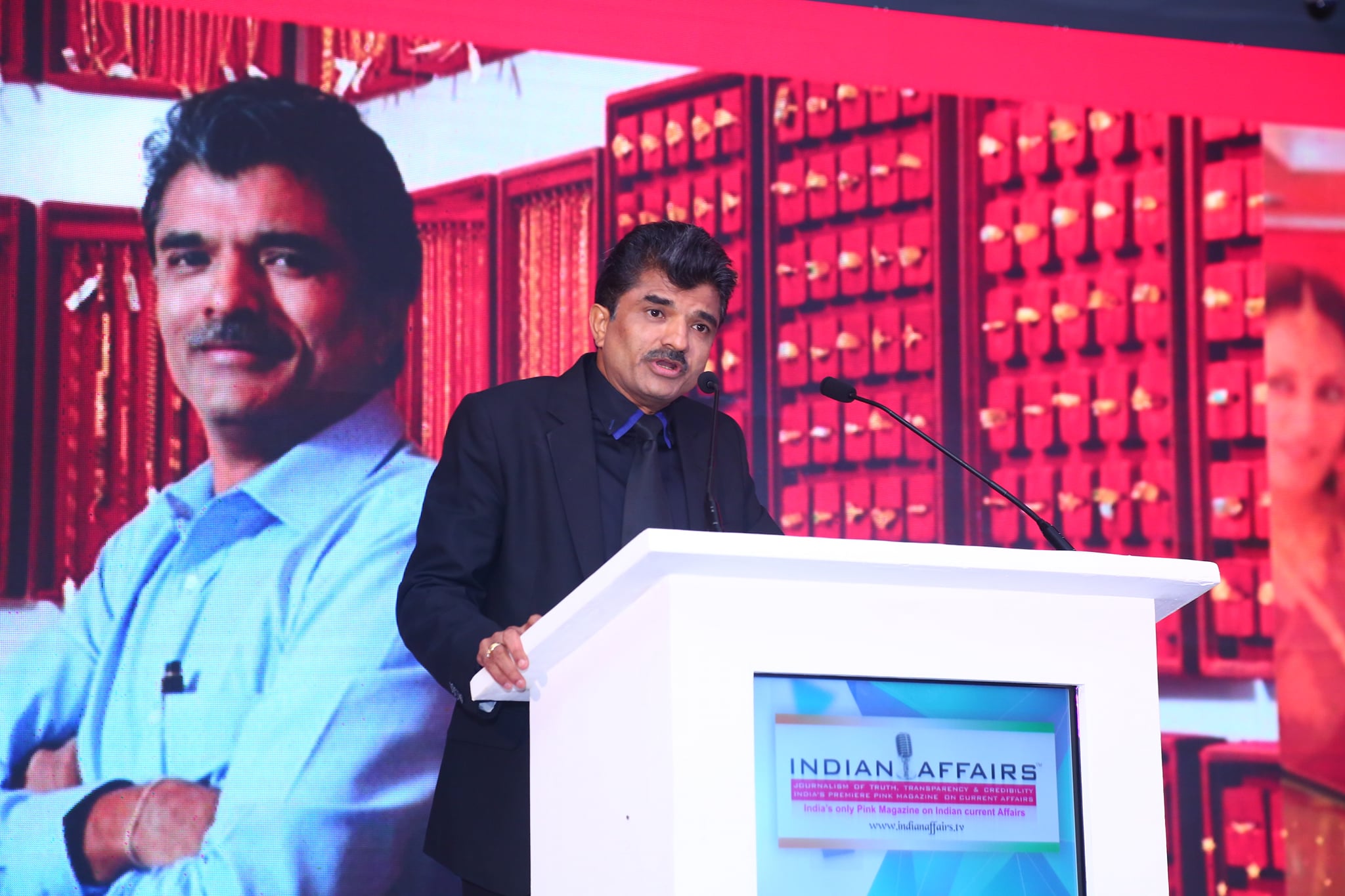
Dr. Satya Brahma, Editor-in-Chief of Network 7 Media Group, offered a sharp critique:
“Union Budget 2026 is a document of ambition but not of empathy. It speaks the language of investors and industries, yet the voice of the common man is faint. India needs a Budget that balances highways with households, and fiscal discipline with social justice.”
Union Budget 2026 positions India on a path of growth, technology, and infrastructure expansion, but its failure to deliver immediate relief to the middle class and vulnerable sections raises questions about inclusivity. For the common citizen, the Budget remains more of a promise for tomorrow than a solution for today.
Author


Satya Brahma’s Vision India

Photo Gallery