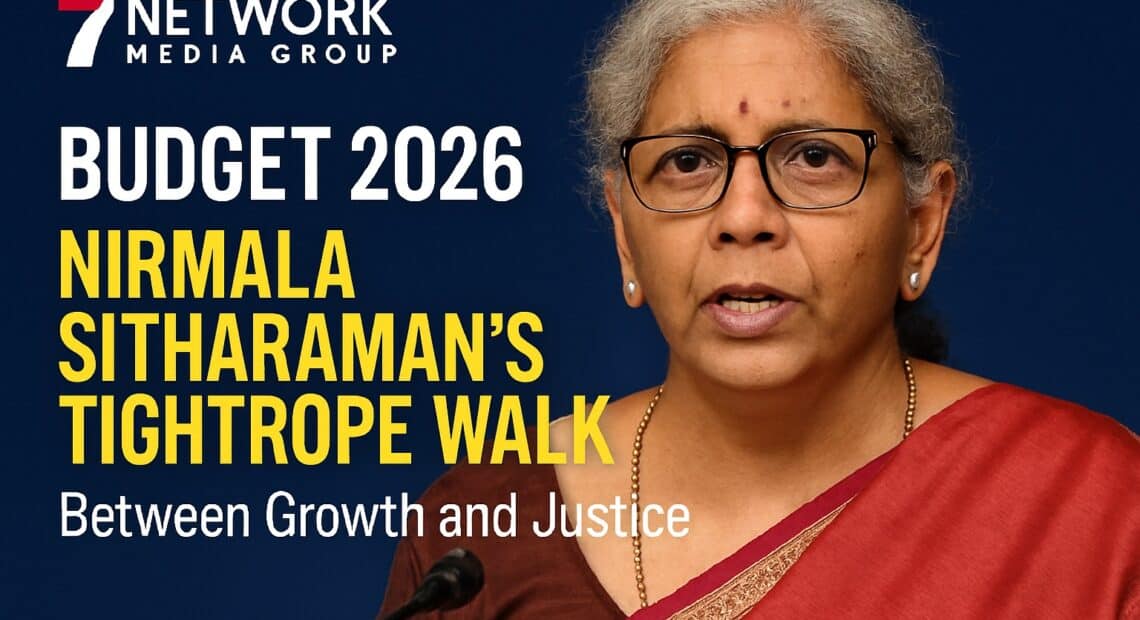
As Finance Minister Nirmala Sitharaman prepares to present her ninth consecutive Union Budget, the nation waits with bated breath. The challenge before her is monumental: sustaining India’s growth story while ensuring that prosperity reaches the homes of ordinary citizens.
The Weight of Expectations
- Middle Class: Relief in income tax slabs, simplified compliance, and incentives for savings.
- Youth: Concrete job creation measures through MSME support, manufacturing incentives, and skill development.
- Rural India: Stronger agricultural support, fair pricing, and rural infrastructure.
- Industry: Policy continuity, GST rationalisation, and fiscal discipline to maintain investor confidence.
- Social Sector: Affordable healthcare, quality education, and targeted welfare schemes.
The Challenges
- Fiscal Consolidation vs Growth: India’s fiscal deficit remains high, yet infrastructure spending must continue to sustain momentum.
- Jobless Growth: GDP expansion has not translated into adequate employment opportunities.
- Rural Distress: Agriculture remains volatile, farmer incomes stagnant.
- Inequality: Urban middle class gains, but rural poor continue to struggle.
The Political Context
This Budget is not just an economic document—it is a political statement. With elections on the horizon, the government must balance populist measures with fiscal credibility. The question is whether Budget 2026 will be remembered as a people’s budget or a ledger of promises unfulfilled.
“Budget 2026 is not about arithmetic—it is about trust. Will Nirmala Sitharaman deliver a Budget that speaks to the aspirations of the people?”
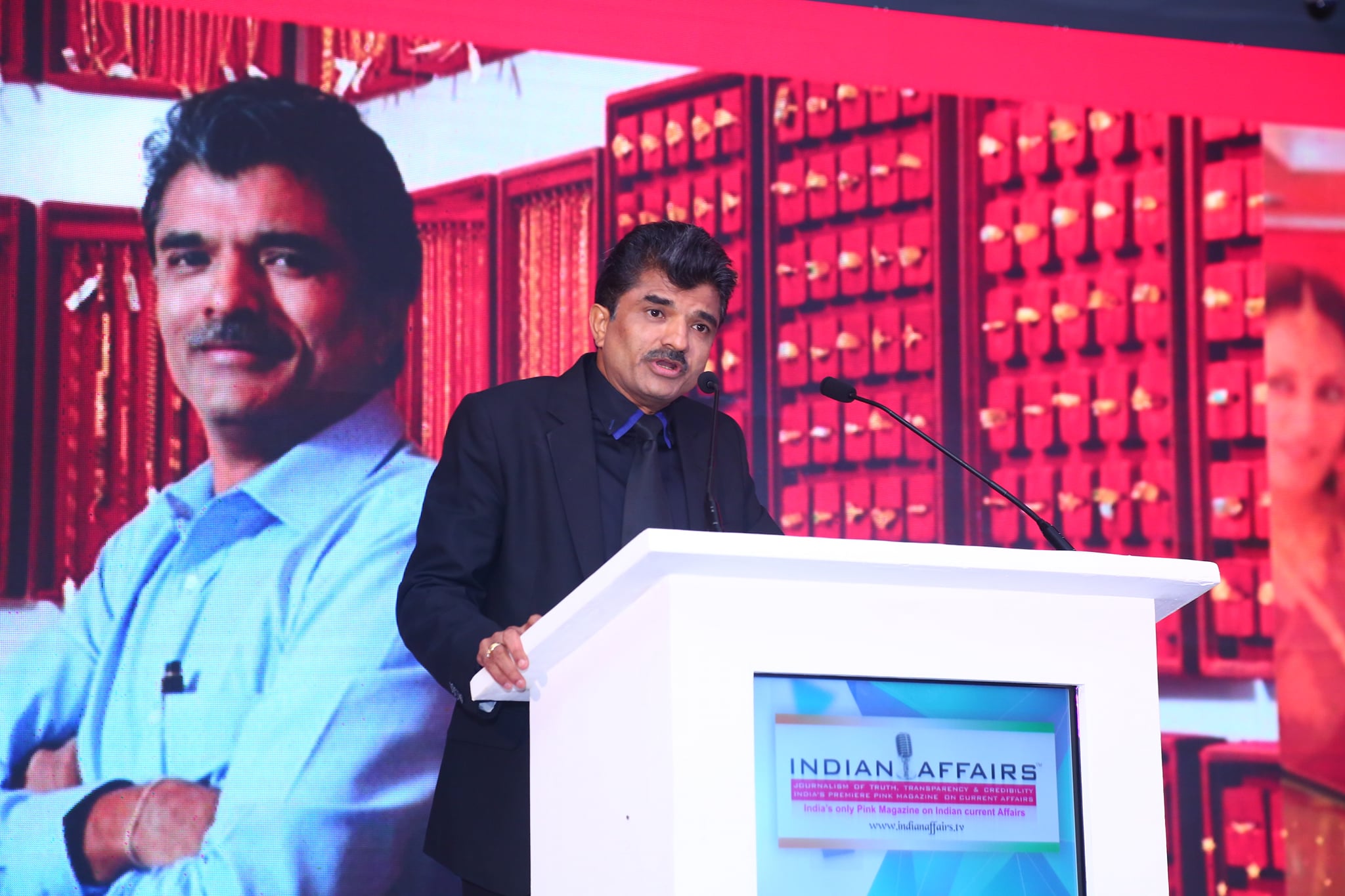
Dr. Satya Brahma, Founder of India Leadership Conclave says “Budgets are not mere financial statements; they are instruments of justice. The challenge before Finance Minister Sitharaman is to ensure that India’s growth story is not just told in boardrooms, but lived in the homes of ordinary citizens.”
Author


Satya Brahma’s Vision India

Photo Gallery