The world is recalibrating. Democracies are awakening to the dangers of populist authoritarianism. And the question we must ask is this: Will we continue to normalize instability, or will we rise in unified action to restore reason, equity, and trust?
“Donald Trump’s mind is not just unstable—it’s a mirror reflecting the vulnerabilities of our global leadership structures. Understanding it is not optional. It’s essential.”
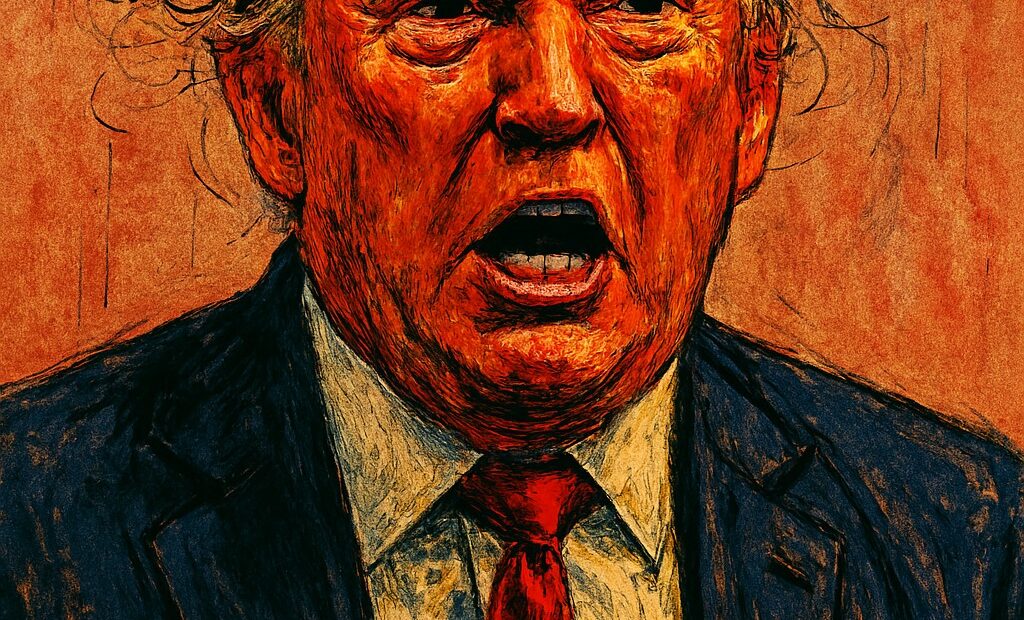
In the annals of modern leadership, few figures have polarized global discourse as profoundly as Donald J. Trump. His presidency was not merely a political chapter—it was a psychological case study in disruption, unpredictability, and transactional diplomacy. To understand Trump is to decode a mind that thrives on chaos, rewards loyalty over merit, and redefines global norms through the lens of personal ego.
The Psychology of Power
Trump’s leadership style is rooted in dominance, spectacle, and perpetual conflict. He weaponized grievance politics, turning every criticism into a rallying cry and every setback into a media spectacle. His mind operates not on consensus but on conquest—where negotiation is weakness and compromise is betrayal. This zero-sum worldview shaped his domestic and foreign policies, often at the cost of long-term stability.
🇮🇳 India’s Strategic Miscalculation
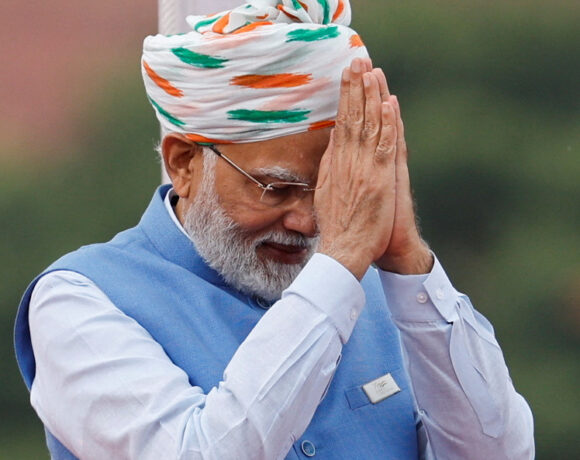
Prime Minister Narendra Modi’s overt support for Trump was a diplomatic gamble. From the “Howdy Modi” spectacle to backchannel endorsements, India bet on a transactional ally who ultimately prioritized tariffs over trust. The promise of strategic alignment was eclipsed by Trump’s erratic trade policies and his flirtation with adversarial regimes. India’s outreach, though bold, revealed the risks of investing in personality-driven diplomacy.
Elon Musk’s Calculated Risk
Elon Musk’s support for Trump—both vocal and financial—was a high-stakes maneuver. Musk, a visionary disruptor himself, perhaps saw in Trump a deregulation ally. But the alignment blurred the boundaries between innovation and ideology. Musk’s gamble exposed the fragility of reputational capital in an era where political endorsements carry global consequences.
Allies Forgotten, Adversaries Embraced
Trump’s foreign policy inverted traditional alliances. He praised authoritarian leaders like Vladimir Putin while insulting democratic partners like Volodymyr Zelensky. His admiration for strongmen was not strategic—it was psychological. It reflected a mind drawn to unilateral control, dismissive of multilateralism and democratic nuance.
Trump’s mind thrives on chaos. He doesn’t negotiate—he imposes. He doesn’t build alliances—he tests loyalties. And in doing so, he redefined diplomacy as a personal transaction.When we speak of Trump, we’re not just analyzing a former U.S. President. We’re decoding a psychological blueprint of disruption. His leadership was not built on consensus—it was built on conquest. Every policy, every tweet, every handshake was a calculated move in a game of dominance.
Tariffs, Turmoil, and Isolation
Trump’s imposition of trade tariffs on friendly nations fractured global economic ecosystems. Canada, the EU, and even India faced punitive measures that undermined decades of partnership. These decisions weren’t rooted in economic logic—they were manifestations of a leader who viewed diplomacy as a zero-sum game.
The Coming Reckoning
As the world recalibrates its geopolitical compass, a unified voice against Trump’s legacy is emerging. His tenure exposed the vulnerabilities of democratic institutions when confronted by populist authoritarianism. The global community must now decide: will it continue to normalize instability, or will it rise in unified action to safeguard the principles of diplomacy, equity, and reason?
Donald Trump’s mind is not merely unstable—it is emblematic of a deeper crisis in leadership. Understanding it is not an academic exercise; it is a moral imperative. For democracies to thrive, they must learn from the chaos, resist the spectacle, and rebuild the architecture of trust.
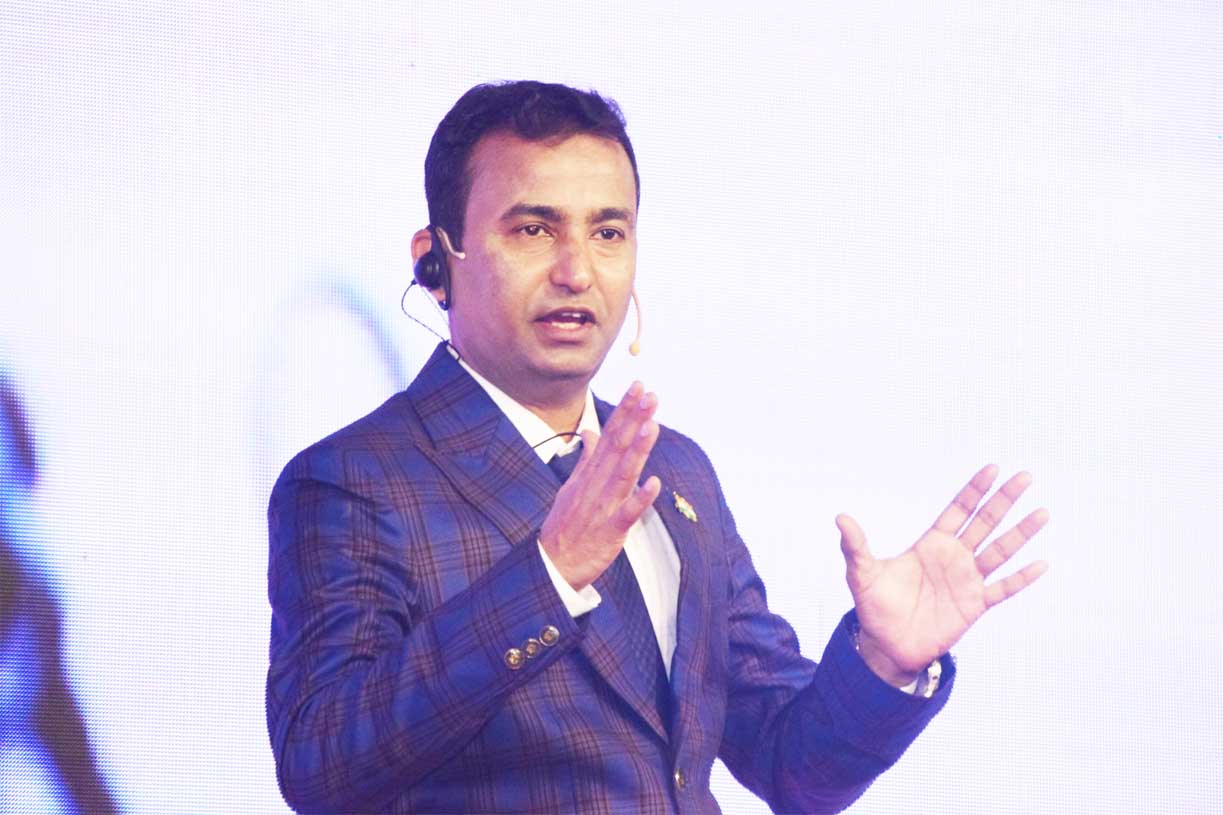
The Author is Dr. Satya Brahma Founder & Editor-in-Chief, Network 7 Media Group
Author
Related Posts

Satya Brahma’s Vision India
Photo Gallery