In the grand theatre of Indian democracy, the Election Commission of India (ECI) was once the unimpeachable referee—a constitutional sentinel entrusted with safeguarding the sanctity of the vote. Today, that image lies fractured. What was once a symbol of democratic resilience now stands accused of complicity, opacity, and partisan indulgence. The question is no longer whether the ECI is biased—it is whether it can still be trusted.
The Cracks Beneath the Surface
Since the BJP’s ascension to power in 2014, the ECI has faced mounting allegations of favoritism, particularly during high-stakes elections. Critics argue that the Commission has increasingly functioned as an extension of the ruling party’s political apparatus, rather than as an autonomous constitutional body. The most recent controversies—ranging from voter roll purges in Bihar to EPIC number duplications across states—have only deepened public suspicion.
Dr Satya Brahma, Chairman & Editor-In-Chief said The Election Commission was meant to be the firewall of democracy. Today, it resembles a broken fuse—sparking only when the ruling party flips the switch. When the Referee Joins the Team: The ECI’s Descent from Arbiter to Accomplice. Neutrality isn’t a costume—it’s a conviction. And this one’s been traded for a uniform.
Opposition leaders, civil society watchdogs, and independent media outlets have pointed to:
- Massive deletions in electoral rolls: In Bihar, over 6.5 million names were struck off during the Special Intensive Revision (SIR), disproportionately affecting migrant workers and marginalized communities.
- Duplicate voter IDs (EPIC numbers): A decades-old flaw ignored until it exploded into a full-blown crisis, raising concerns about vote duplication and manipulation.
- Delayed voter turnout data: During the 2024 general elections, the ECI’s reluctance to release real-time turnout figures fueled allegations of tampering.
- Selective enforcement of campaign codes: The Commission’s silence on divisive rhetoric by BJP leaders, while swiftly reprimanding opposition figures, has been labeled “laughable” by Congress leaders.
The ECI’s Defense: Transparency or Theatre?
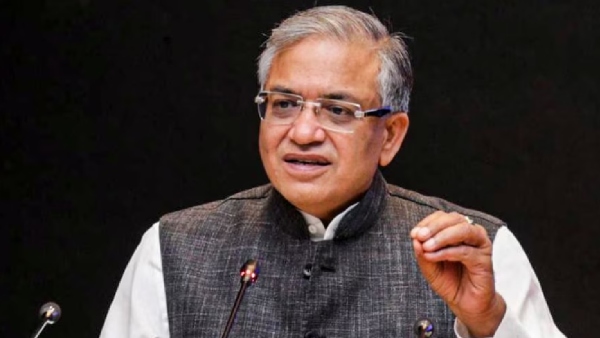
The ECI, under Chief Election Commissioner Gyanesh Kumar, has repeatedly dismissed these allegations as “false and misleading,” asserting that all political parties are treated equally. The Commission cites its constitutional mandate, the involvement of Booth Level Agents (BLAs) from all parties, and the availability of grievance redressal mechanisms as proof of its impartiality.
But these defenses ring hollow when juxtaposed with ground realities. The Supreme Court’s intervention in the Bihar voter roll case—ordering the publication of a searchable list of excluded voters—was a tacit indictment of procedural lapses. Moreover, the Commission’s refusal to acknowledge forged Form 7 applications in Karnataka, despite CID findings, raises serious questions about institutional accountability.
A Democracy in Drift
India’s democratic institutions have long relied on public trust. The ECI’s perceived descent into partisanship is not merely a bureaucratic failure—it is a democratic emergency. When the referee is seen as playing for one team, the game itself loses legitimacy.
This erosion of credibility is part of a broader pattern of democratic backsliding under the BJP regime. From the judiciary to the media, institutions once considered sacrosanct are now viewed through the prism of political capture. The downgrading of India’s democratic status by global watchdogs—from “free” to “partly free,” and from “flawed democracy” to “electoral autocracy”—is not hyperbole. It is a reflection of lived reality.
What Must Be Done
Restoring faith in the ECI requires more than press conferences and platitudes. It demands structural reform:
- Transparent appointment of Election Commissioners: A bipartisan committee, not the ruling government, must oversee appointments.
- Independent audit of electoral rolls: Conducted annually, using AI-driven tools to flag anomalies and ensure inclusivity.
- Real-time data disclosure: Voter turnout, complaints, and roll revisions must be made publicly accessible.
- Strict enforcement of the Model Code of Conduct: Regardless of political affiliation.
The Final Word
The Election Commission of India was never meant to be a silent spectator or a pliant executor. It was designed to be the custodian of democratic integrity. Today, that custodianship stands compromised—not by one scandal, but by a sustained pattern of evasion, opacity, and alignment with power.
India does not need a Commission that merely conducts elections. It needs one that commands respect, inspires trust, and defends democracy with ferocity. Until then, the ECI will remain a hollow institution—one that counts votes, but not credibility.
The Election Commission of India (ECI) has long been regarded as a cornerstone of the world’s largest democracy, tasked with ensuring free and fair elections. However, in recent years—particularly under the BJP-led government since 2014—it has faced escalating accusations of bias and undue influence from the ruling party. These claims come primarily from opposition parties, civil society groups, and independent observers, while the ECI and BJP staunchly defend its impartiality. Below, I’ll outline the key arguments from both sides, drawing on a range of sources to represent stakeholders including opposition leaders, BJP representatives, media outlets, and experts. Note that while allegations are widespread, concrete evidence of systemic bias (e.g., court-proven manipulation) remains limited, and subjective media viewpoints often reflect political leanings.
Accusations of Bias and Acting at the Behest of the BJP
Critics argue that the ECI has increasingly operated as an extension of the ruling BJP, compromising electoral integrity through selective enforcement, voter roll manipulations, and structural changes that favor the government. Key points include:
Voter Roll Manipulations and “Vote Theft” Allegations: Opposition leaders, including Rahul Gandhi of the Congress party, have accused the ECI of enabling “vote chori” (vote theft) by deleting legitimate voters from rolls and adding fake ones, particularly in BJP-stronghold areas. For instance, in August 2025, Gandhi highlighted discrepancies in voter lists during a press conference, claiming the ECI was complicit in rigging outcomes. This echoed earlier concerns during the 2024 Lok Sabha elections and 2025 state polls, where civil society groups like the Empowered Action Group of Leaders and Experts (EAGLE) alleged the ECI manipulated voter lists to benefit the BJP. BBC reports from August 2025 detailed a “credibility crisis” over voter roll revisions, with opposition parties alleging stolen mandates in states like Maharashtra and Haryana. Independent analyses, such as those from forensic experts in Bhima Koregaon-related cases, have raised parallels about evidence tampering, fueling distrust in ECI processes.
Selective Enforcement of Model Code of Conduct (MCC): The ECI has been criticized for acting swiftly on complaints against opposition parties while ignoring violations by BJP leaders. For example, in April 2024, AAP leader Atishi accused the ECI of bias after it objected to her party’s campaign song but overlooked similar issues from the BJP. During the 2024 elections, the ECI was slammed for not addressing hate speeches by Prime Minister Narendra Modi and Home Minister Amit Shah, while penalizing opposition figures. TMC’s Derek O’Brien called the ECI a “biased umpire” in May 2024, pointing to discrepancies in voter turnout data releases. Poll strategist Prashant Kishor, in May 2021, described the ECI as “partial” and an “extension of the BJP” during West Bengal elections.
Structural Changes Undermining Independence: A major flashpoint is the 2023 law that removed the Chief Justice of India from the ECI appointment panel, replacing it with a government-dominated committee. This was seen as subverting a Supreme Court judgment aimed at ensuring balance, allowing the BJP to appoint “loyalists” like former bureaucrats under Amit Shah. Congress leader Jaya Thakur petitioned the Supreme Court in March 2024, arguing this changed the ECI’s functioning to favor the ruling party. Critics, including former ECI chief S.Y. Quraishi, have called for reforms to restore autonomy, warning that the current setup erodes constitutional morality.
Broader Institutional Capture: Opposition voices on platforms like X (formerly Twitter) and Reddit accuse the ECI of being “sold to Modi,” with rigged EVMs (electronic voting machines) and centralized control enabling BJP victories. In August 2025, investigative journalist Saurav Das described the ECI’s response to vote chori claims as “absurd” and politically motivated, likening it to a “mockery” under BJP influence. International outlets like France 24 and Al Jazeera have noted similar concerns, including government spending on BJP slogans via neutral agencies.
These accusations have intensified post-2024 elections, where the BJP’s narrower-than-expected victory was attributed by some to ECI interventions, and in 2025 amid ongoing state polls.
Defenses of Impartiality
The ECI and BJP counter that it remains independent, with allegations being baseless attempts by a “directionless” opposition to undermine democracy. They point to procedural safeguards and historical precedents.
ECI’s Rejections and Transparency Measures: The ECI has repeatedly denied bias, emphasizing that voter rolls are publicly available and verifiable. In August 2025, Chief Election Commissioner Gyanesh Kumar held a press conference dismissing vote chori claims as “bogus,” accusing Rahul Gandhi of selective outrage. The ECI argues it acts on all complaints proportionally, having filed 117 against BJP leaders in 2024 per Congress claims, though critics dispute the outcomes. PM Modi claimed in May 2024 that the ECI became “truly independent” under his government, ending past Congress-era crony appointments.
BJP’s Counter-Accusations: BJP leaders like Kiren Rijiju and Dharmendra Pradhan have labeled opposition claims as “vote-bank politics” and “election rage,” insisting the ECI is impartial and that critics rely on unverified data. In response to 2025 allegations, the BJP accused Congress of defaming constitutional institutions. Some analysts, like in The Print, dismiss the “hoo-ha” as “lazy outrage,” noting the ECI’s robust debate role in democracy.
Calls for Reforms Amid Acknowledgment of Challenges**: Even defenders recognize flaws, with experts like those from ForumIAS advocating structural reforms for gender balance and operational transparency to bolster impartiality. The Hindu’s editorial in August 2025 urged systemic fixes for voter registration issues without endorsing bias claims. Quora users and former officials often affirm the ECI’s overall impartiality, citing no major proven scandals.
Overall Assessment
While opposition and civil society present compelling patterns of perceived favoritism—substantiated by delayed actions, appointment changes, and voter discrepancies—the ECI and BJP maintain these are politically motivated smears without proof. Independent bodies like the Supreme Court have intervened sporadically (e.g., on appointments), but delays and lack of enforcement perpetuate distrust. International observers, including the BBC and France 24, highlight a “crisis of trust” that threatens electoral democracy. Substantiated reforms, such as reinstating judicial oversight in appointments and real-time voter data audits, could address these concerns. As of September 2025, no conclusive judicial finding confirms systemic bias, but the volume of allegations suggests the ECI’s perceived independence is at an all-time low, potentially eroding public faith in Indian elections.The Election Commission of India (ECI) is constitutionally mandated to conduct free and fair elections as an independent body, but in recent years—particularly under the BJP-led government since 2014—it has faced escalating accusations of partisanship from opposition parties, civil society groups, and international observers. These claims center on perceived favoritism toward the ruling Bharatiya Janata Party (BJP), including selective enforcement of election rules, delays in releasing voter data, and alleged manipulations of electoral rolls. The ECI has consistently denied these allegations, asserting its impartiality, while the BJP has dismissed critics as spreading misinformation or engaging in “vote-bank politics.” Below, I’ll outline the key arguments on both sides based on available evidence and reports, noting that while no conclusive proof of systemic bias exists (as investigations remain limited), structural changes and operational patterns have eroded public trust in the institution.
Key Accusations of Bias
Opposition leaders, including Rahul Gandhi of the Congress party and figures from parties like the Aam Aadmi Party (AAP), Trinamool Congress (TMC), and others, have repeatedly alleged that the ECI acts as an “extended wing” of the BJP. Specific claims include:
Selective Enforcement of the Model Code of Conduct (MCC): Critics argue the ECI overlooks violations by BJP leaders while swiftly acting against opposition figures. For instance, during the 2024 Lok Sabha elections, the ECI was accused of ignoring hate speech and religious appeals by Prime Minister Narendra Modi and Home Minister Amit Shah, but it promptly flagged content from opposition parties. Similarly, in April 2024, AAP leader Atishi claimed the ECI acted only on BJP complaints, such as objecting to an AAP campaign song. TMC’s Derek O’Brien called the ECI a “biased umpire” in May 2024, pointing to discrepancies in voter turnout data releases.
Voter Roll Manipulations and “Vote Theft”: Recent controversies, especially around the 2025 voter roll revisions, have fueled allegations of “stolen mandates.” In August 2025, Rahul Gandhi accused the ECI of enabling voter list fraud, claiming deletions and additions favored the BJP in key states. Reports from BBC and others highlighted “vote theft” rows, with opposition protests over deleted names in BJP strongholds and inflated rolls elsewhere. Civil society groups, including the Citizens’ Commission on Elections, warned as early as 2022 about vulnerabilities in voter registration, urging judicial inquiries. On X (formerly Twitter), users and journalists echoed these concerns, with posts alleging the ECI has become a “branch of the BJP” and manipulates lists to rig outcomes.
Changes in Appointment Process: A major point of contention is the 2023 law that altered the ECI appointment committee, removing the Chief Justice of India and giving the executive (led by the PM) greater control. This reversed a Supreme Court ruling aimed at ensuring balance, leading critics to argue it allows the government to install pliable commissioners. Former bureaucrats and groups like the Empowered Action Group of Leaders and Experts (EAGLE) have linked this to alleged voter list tampering. International outlets like France 24 and Al Jazeera have noted how this, combined with the ECI’s handling of BJP slogans in government ads, undermines credibility.
Broader Patterns of Inaction:The ECI has been criticized for delays in addressing opposition complaints, such as during the 2024 polls where it allegedly allowed BJP’s use of religious propaganda. Poll strategist Prashant Kishor in 2021 called the ECI “partial” for bending rules to aid the BJP. On X, discussions from 2023-2025 highlight perceptions of the ECI as “sold to Modi,” with rigged EVMs and favoritism in state elections.
These accusations are substantiated by over 100 complaints filed by the Congress alone during the 2024 elections, with minimal action taken. Reports from outlets like The Hindu and Frontline describe a “crisis of trust,” with the ECI’s August 2025 press conference seen as defensive and politically charged rather than transparent.
Defenses and Counterarguments
The ECI and BJP maintain that the commission remains impartial, with allegations being politically motivated attempts to undermine democracy:
ECI’s Denials and Actions: The ECI has rejected bias claims, emphasizing that electoral rolls are publicly available and revisions follow due process. In August 2025, Chief Election Commissioner Gyanesh Kumar dismissed Rahul Gandhi’s “vote chori” allegations as “bogus,” citing transparent procedures and accusing critics of selective outrage. PM Modi has claimed the ECI became “truly independent” under his government, contrasting it with past appointments of party loyalists under Congress rule.
BJP’s Rebuttals: BJP leaders like Kiren Rijiju and Dharmendra Pradhan have accused the opposition of defaming constitutional bodies and resorting to “directionless” politics. Some analyses, like in ThePrint, describe the outrage as “lazy” and unsubstantiated, pointing to the ECI’s successful conduct of massive elections without widespread proven fraud. Quora discussions and older views affirm the ECI’s general impartiality, with no “serious issues” in rule adherence.
Structural Justifications: Proponents argue the appointment changes enhance efficiency, and the ECI’s actions—such as ordering removals of violative posts from all parties—show balance. Former CEC S.Y. Quraishi has praised the ECI’s pride in fair elections, urging reforms but not alleging bias.
Overall Assessment
While the ECI’s defenders highlight its operational scale and denials, the volume of accusations from diverse sources—including international media like BBC and France 24—suggests a perception of eroded independence, exacerbated by the executive-dominated appointment process and lack of swift judicial oversight. Proposed reforms include reinstating judicial involvement in appointments, mandatory audits of voter rolls, and faster MCC enforcement to restore credibility. Without independent probes, these debates persist, potentially undermining faith in India’s electoral democracy. If new developments emerge, they could clarify or intensify these concerns.
Author


Satya Brahma’s Vision India

Photo Gallery