A Throne Left Empty, A Region Left Trembling – West Asia Peace Talks
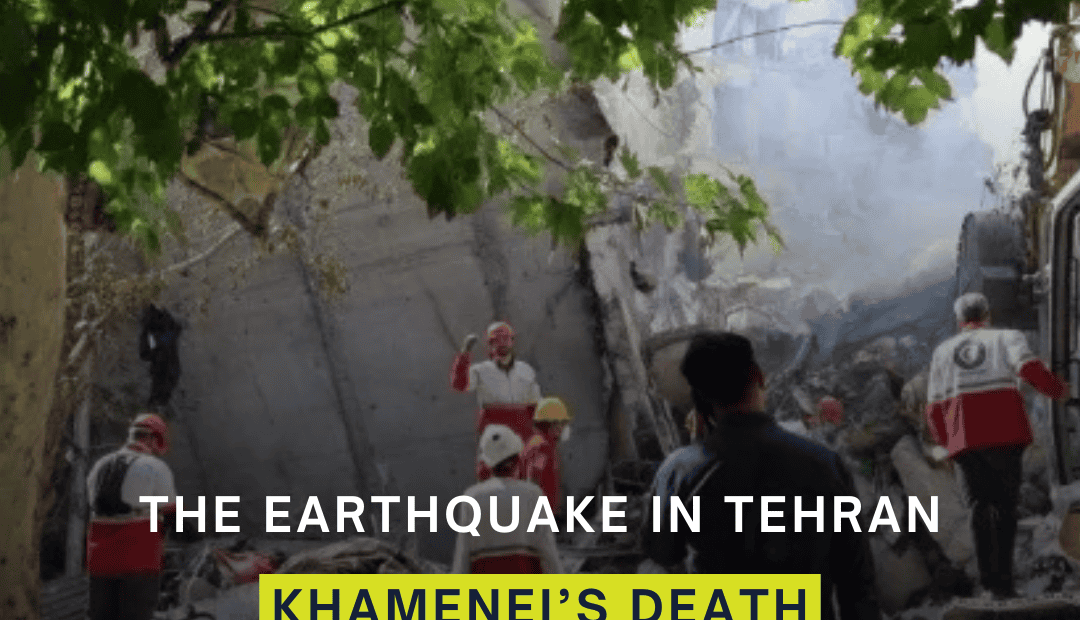
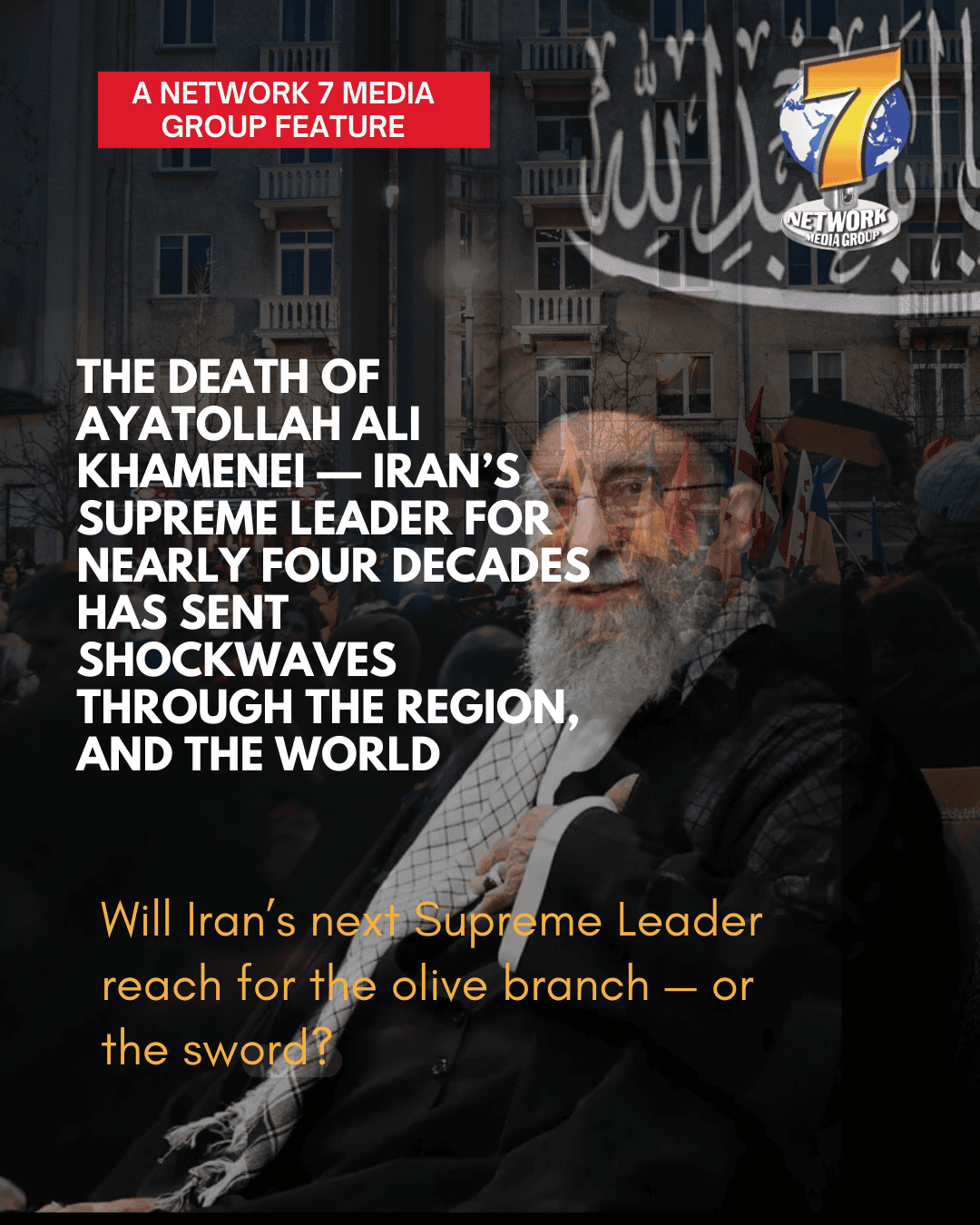
Ayatollah Ali Khamenei’s death is more than the passing of a man — it is the collapse of a pillar that held up Iran’s political cosmos. For decades, he was the conductor of West Asia’s symphony of conflict and compromise, orchestrating proxy wars, nuclear brinkmanship, and cautious diplomacy. Now, the baton lies on the floor, and the orchestra plays without a maestro.
The Domino Effect: From Tehran to Tel Aviv
- Iran’s Proxy Web Unraveled: Hezbollah in Lebanon, militias in Iraq, Houthis in Yemen — all threads in Khamenei’s tapestry. Without his guiding hand, will they fray into chaos or tighten into defiance?
- Succession Storm: The Assembly of Experts faces a Shakespearean dilemma. Hardliners sharpen their knives, reformists whisper of change. The struggle for the mantle could ignite fires far beyond Iran’s borders.
- Nuclear Crossroads: Khamenei’s iron fist kept Iran’s nuclear ambitions on a hardline track. His successor could either slam the door on diplomacy or crack it open just enough to tempt the West.
Global Powers: Circling the Vacuum
- Washington & Brussels: Eyes wide, sanctions ready, waiting to see if Tehran leans toward confrontation or conciliation.
- Moscow & Beijing: Opportunists at the feast, eager to bind Iran tighter into their anti-Western orbit.
- Riyadh & Abu Dhabi: The Gulf monarchies, who only recently extended olive branches, now wonder if they must sharpen their swords again.
- Jerusalem: Israel may celebrate a strategic victory, but the champagne is laced with anxiety — retaliation could come not from Tehran, but from the shadows of its proxies.
Peace Talks on a Knife’s Edge
The negotiating tables in Yemen, Syria, and Palestine suddenly feel like tightropes.
- Momentum Lost: Without Iran’s anchor, talks risk drifting into irrelevance.
- A Window of Hope: A new leader might seek legitimacy through diplomacy, offering a rare chance for reset.
- The Risk of Fire: Factions could exploit the vacuum, turning fragile truces into tinderboxes.
The Verdict: A Region Rewritten
Khamenei’s death is not just a headline — it is a geopolitical earthquake. The aftershocks will rattle capitals from Washington to Riyadh, Moscow to Tel Aviv. West Asia’s peace talks now stand at a crossroads: one path leads to collapse, the other to recalibration.
The world watches Tehran, breath held, waiting to see who will rise from the ashes of the Supreme Leader — and whether they will wield the olive branch or the sword.
The death of Khamenei has torn a hole in the fabric of West Asia. Whether it becomes a wound that festers or a scar that heals will depend on who stitches the region’s future — and how fast.
Regime Change Rhetoric: Trump’s Strike, Harris’s Rebuke
As the dust settles over Tehran, former U.S. President Donald Trump has declared the death of Ayatollah Ali Khamenei “justice for the people of Iran” and a victory for “Great Americans” and “many Countries throughout the World” who suffered under what he called “bloodthirsty THUGS.” His statement, posted on Truth Social, signals a dramatic escalation in his long-held vision of regime change in Iran.
But the global applause is far from unanimous. Democrat leader Kamala Harris condemned the strike as a “dangerous and unnecessary gamble,” warning that Trump’s actions risk dragging the United States into a war the American people do not want. She called the move reckless and destabilizing, accusing Trump of jeopardizing both American lives and regional peace.
This clash of visions — Trump’s aggressive posture versus Harris’s caution — now defines the U.S. political fault line on Iran. As West Asia reels from Khamenei’s death, the world watches not only Tehran, but Washington, where the next chapter of American foreign policy may be written in bold, unpredictable strokes.
Economic Shockwaves After Khamenei’s Death
Energy Markets in Turmoil
- Oil Price Volatility: The Strait of Hormuz — through which nearly 20% of global oil trade flows — has become a flashpoint. Any disruption here sends crude prices soaring, with estimates of $10–15 per barrel spikes in the immediate aftermath of conflict.
- Revenue Loss for Gulf States: Saudi Arabia, UAE, and Qatar face billions in lost export revenue as shipping lanes are threatened and insurance premiums for tankers skyrocket.
Trade & Shipping Disruptions
- Global Supply Chains: India, China, and Europe, heavily reliant on Gulf energy, face mounting uncertainty. India alone could see tens of billions in added import costs, straining its fiscal balance.
- Maritime Risk Premiums: Insurance costs for vessels transiting the Gulf have reportedly doubled, adding billions in hidden costs to global trade.
Domestic Fallout in Iran
- Sanctions & Isolation: With leadership uncertainty, foreign investment evaporates. Iran’s oil exports — already constrained — could shrink further, costing the regime tens of billions annually.
- Currency Collapse: The Iranian rial faces freefall, driving inflation and eroding household purchasing power.
Global Ripple Effect
- Stock Markets: Energy shocks ripple into equities, with Asian and European indices showing sharp declines amid fears of prolonged instability.
- Revenue Loss Estimate: Analysts warn that prolonged conflict could drain hundreds of billions globally — from lost oil revenues, disrupted trade, and reconstruction costs.
“The ripple effect is brutal: every missile fired translates into billions lost. West Asia’s war is fought not only with weapons, but with balance sheets — and the scars will be measured in both blood and revenue.”
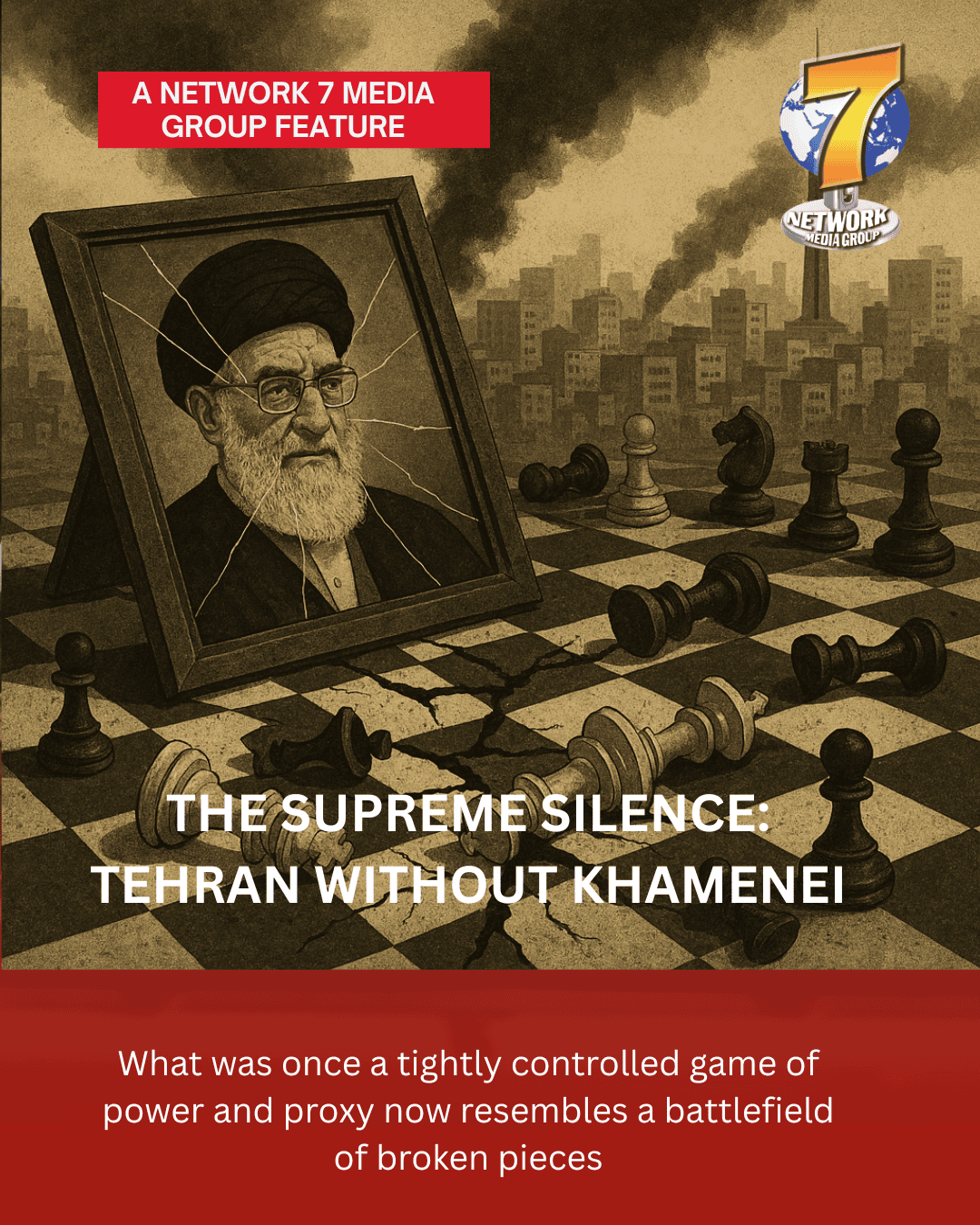
Bottom Line: The death of Ayatollah Khamenei has triggered not only a geopolitical earthquake but also an economic tsunami. Oil markets, trade routes, and fragile economies are all caught in the undertow — with losses that could reshape the global financial order for decades.
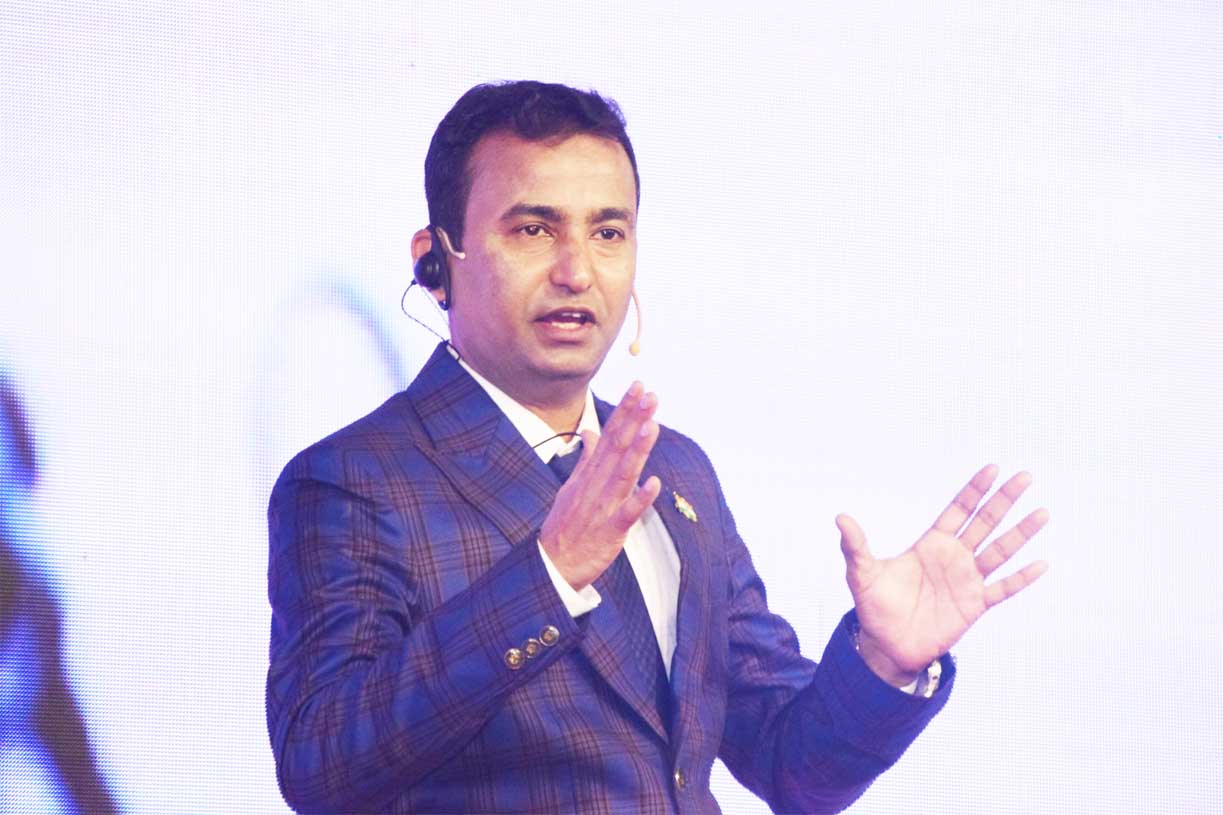
Dr. Satya Brahma, Chairman & Editor-in-Chief, Network 7 Media is a renowned political commentator and strategic expert in global geopolitics, celebrated for his fearless editorial framing and disruptive insights. As the Founder Chairman of Network 7 Media Group and architect of the prestigious India Leadership Conclave, he has consistently challenged entrenched power structures and provoked reform through bold narratives and high-impact summits. His commentaries on West Asia, healthcare advocacy, and leadership accountability have positioned him as a voice of conscience in both national and international debates.
Dr. Brahma’s hallmark is his ability to distill complex geopolitical shifts into memorable headlines, metaphors, and visual narratives that resonate across cultures and platforms. His editorial vision is not just about reporting events — it is about shaping the discourse, ensuring inclusivity, and driving societal impact for the most vulnerable.
Author
Related Posts

Satya Brahma’s Vision India
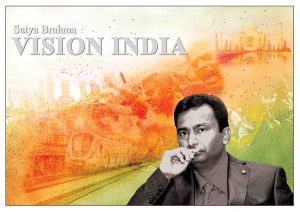
Photo Gallery