
India’s march toward a $10 trillion economy is both a promise and a test. The nation’s demographic dividend, digital revolution, and reform momentum could propel it into the league of global economic giants. Yet challenges in infrastructure, inequality, and sustainability must be confronted head-on. As Dr. Satya Brahma aptly notes, “India’s economic destiny will be defined not just by growth numbers, but by the courage to disrupt, reform, and lead with inclusivity. From demographic dynamism to digital disruption, India’s ascent hinges on bold reforms, inclusive growth, and global resilience amid intensifying competition”.
India’s $10 Trillion Aspiration
India stands at a historic inflection point. Already the world’s fourth-largest economy, having surpassed Japan and Germany, it is projected to become the third-largest by 2040. The ambition of reaching a $10 trillion GDP is not merely about numbers—it is about transforming India into a developed, resilient, and future-ready nation.
Key Drivers of Growth
Experts highlight four decisive forces—the “4 Ds”—that will shape India’s trajectory:
- Development: Massive investments in infrastructure, urbanization, and industrial capacity.
- Diversification: Expanding beyond traditional sectors into renewable energy, advanced manufacturing, and services.
- Digitalisation: Leveraging India’s tech talent, fintech ecosystem, and AI-driven innovation.
- Decarbonisation: Transitioning toward green energy and sustainable practices to balance growth with climate responsibility.
Additional growth catalysts include:
- FDI liberalization and global partnerships
- Demographic dividend—a young workforce driving consumption and innovation
- Reform momentum—tax rationalization, ease of doing business, and financial inclusion
Challenges on the Road Ahead
India’s path is not without obstacles:
- Infrastructure bottlenecks—transport, logistics, and energy supply gaps
- Income inequality—ensuring growth benefits reach rural and marginalized communities
- Skill gaps—aligning education with future industries
- Climate vulnerability—balancing industrial growth with environmental sustainability
Failure to address these could slow the march toward $10 trillion, turning promise into peril.
Global Race: Who Else?
India is not alone in this race. Other nations vying for economic dominance include:
| Country | Current Position | Strengths | Challenges |
| China | 2nd largest economy | Manufacturing powerhouse, tech innovation | Demographic decline, debt burden |
| United States | Largest economy | Innovation, capital markets, global influence | Political polarization, fiscal deficits |
| Indonesia | Emerging contender | Demographics, resource wealth | Infrastructure gaps, governance issues |
| Brazil | Latin America’s giant | Agriculture, energy | Political instability, inequality |
India’s advantage lies in its unique blend of scale, democracy, and digital dynamism, positioning it as a credible challenger to both China and the U.S. in the coming decades.
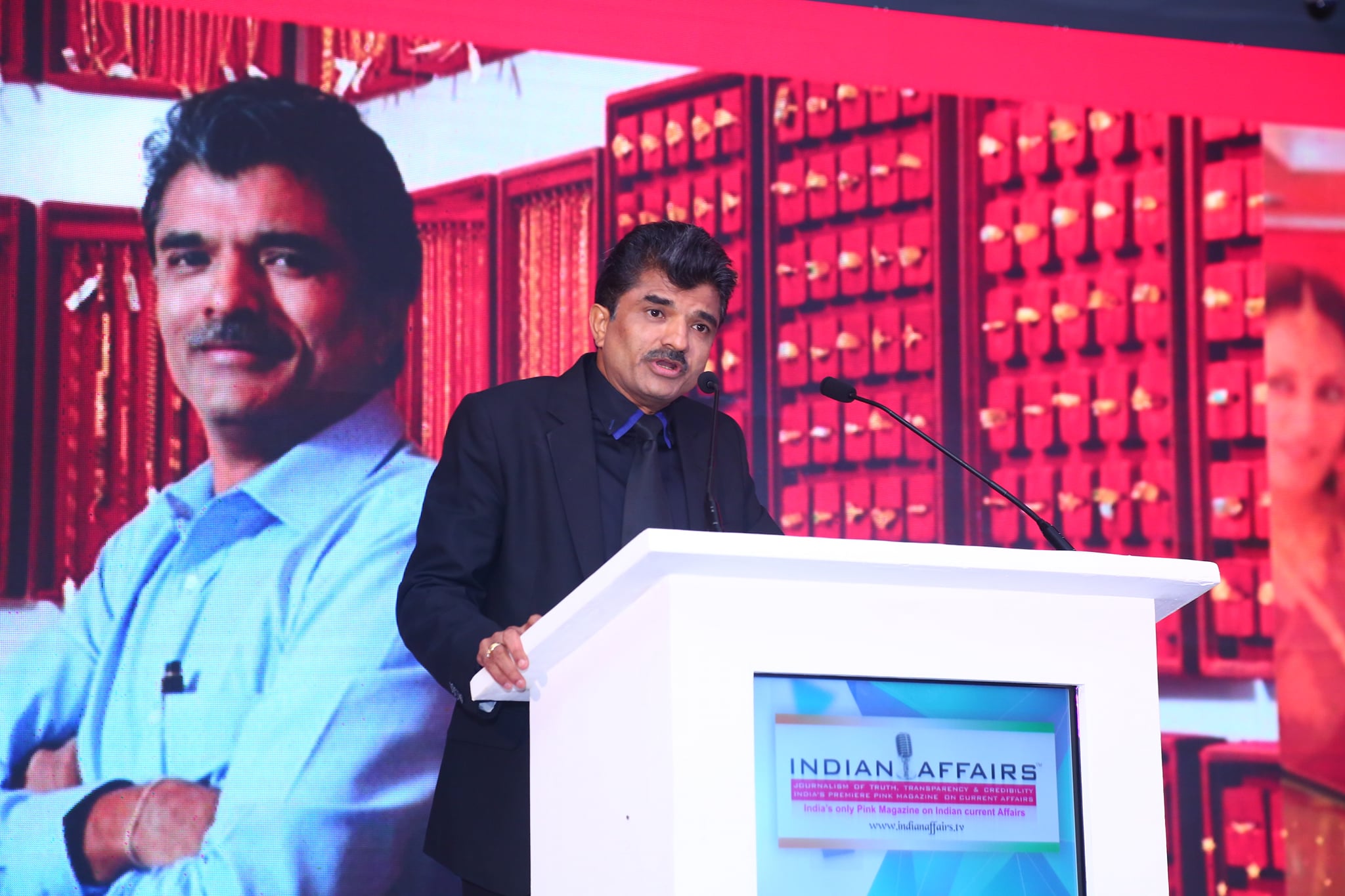
Dr. Satya Brahma, Founder of Network 7 Media Group, frames the challenge with clarity:
“India’s economic destiny will be defined not just by growth numbers, but by the courage to disrupt, reform, and lead with inclusivity. A $10 trillion economy must be more than a statistic—it must be a story of empowerment, sustainability, and global leadership.”
India’s road to $10 trillion is a marathon, not a sprint. The nation must harness its demographic dividend, embrace digital transformation, and commit to inclusive growth. Success will depend on whether India can balance ambition with responsibility, disruption with stability, and growth with equity.
Author



Satya Brahma’s Vision India
Photo Gallery