
From Burden to Boost — India’s Tax Overhaul Empowers Citizens, MSMEs, and the Nation’s Economic Engine. Introduction: A Reform Rooted in People’s Priorities
Eight years after its historic rollout, the Goods and Services Tax (GST) has undergone its most transformative upgrade yet. The 56th GST Council meeting, chaired by Union Finance Minister Nirmala Sitharaman, has greenlit sweeping reforms that simplify the tax structure, slash rates on essentials, and realign the system with India’s growth ambitions.
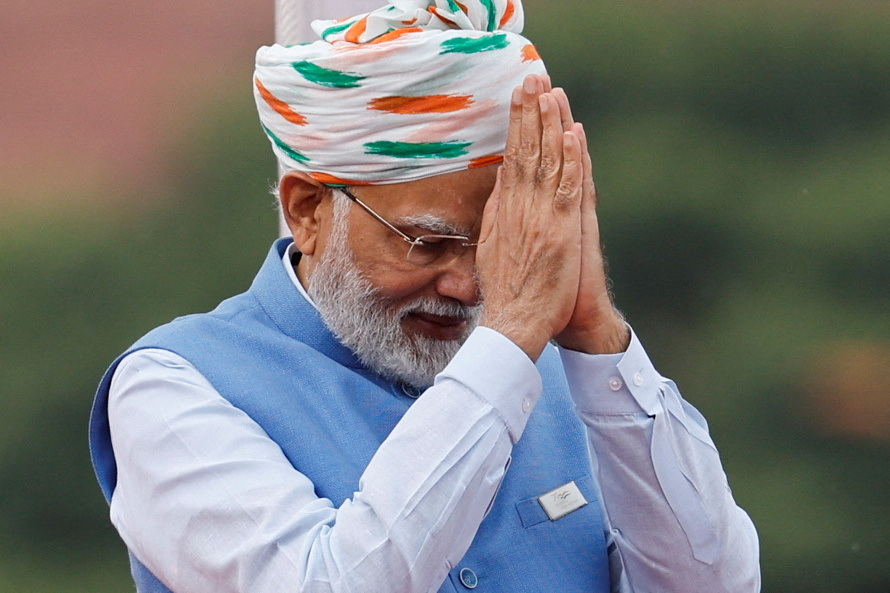
Prime Minister Narendra Modi’s Independence Day promise of a “Diwali gift” to the common man finds powerful expression in this reform package. With a two-slab structure (5% and 18%), targeted exemptions, and sectoral relief, GST 2.0 is not just a fiscal recalibration—it’s a social contract for affordability, equity, and enterprise.
The 7 Pillars of GST Reforms 2025
| Pillar | Impact |
|---|---|
| Simplified Structure | Two slabs (5% & 18%) replace the earlier 4-tier system, making compliance easier |
| Relief for Households | Essentials like soaps, toothpaste, and Indian breads taxed at 5% or NIL |
| Affordable Healthcare | Life-saving drugs and medical devices now at 0–5%, boosting access |
| Middle-Class Relief | TVs, ACs, small cars, cement down from 28% to 18% |
| Support for Farmers | Farm machinery and irrigation tools cut to 5%, lowering input costs |
| Boost to Services | Hotels, gyms, salons, and yoga services now at 5%, enhancing affordability |
| Fairness in Luxury Taxation | Sin goods like tobacco, pan masala, and aerated drinks taxed at 40% |
Expanded Relief: Item-Wise Rationalisation
In addition to headline reforms, GST rates have been rationalised across a wide array of household utilities, consumer products, and industrial inputs. This includes:
- Household Goods: Toothbrushes, soaps, shampoos, tableware, bicycles — now at 5%
- Packaged Foods: Namkeens, sauces, chocolates, coffee, preserved meat — down to 5%
- Consumer Durables: TVs (LCD/LED >32”), ACs, dishwashers — 28% → 18%
- Construction Materials: Cement, marble, granite, bamboo flooring — 28%/12% → 18%/5%
- Automotive: Small cars, two-wheelers, buses, trucks, auto parts — 28% → 18%
- Agriculture: Tractors, harvesters, irrigation tools, bio-pesticides — 12% → 5%
- Education Supplies: Exercise books, pencils, crayons — 0%; geometry boxes — 5%
- Medical Devices: Thermometers, surgical instruments, corrective goggles — 12–28% → 5%
- Insurance: Life and health insurance premiums — GST exempted
- Handicrafts & Toys: Dolls, idols, sculptures, manmade yarn — 12–18% → 5%
Next-Gen GST: Benefits for All
These reforms go beyond rate cuts—they engineer a virtuous cycle of economic momentum:
- Lower Prices, Higher Demand: Boosts household savings and consumption
- Support for MSMEs: Reduced input costs improve competitiveness
- Ease of Living: Two-rate structure simplifies compliance and reduces disputes
- Wider Tax Net: Simpler rates encourage voluntary compliance
- Support for Manufacturing: Corrected duty structures boost domestic value addition
- 💰Revenue Growth: Lower rates + better compliance = higher collections
- Economic Momentum: Lower costs → higher demand → larger tax base → stronger revenues
- Social Protection: Insurance and medicine exemptions strengthen household security
“The rates of normal consumption items have been reduced from 12% and 18% to 5%… This will provide a lot of relief to the general public. The tax burden will be reduced and inflation will also be reduced.”
— Ravi Patodia, Member, Bhadohi Carpet Export Promotion Council (CEPC)
The Road to GST: Challenges and Milestones
Before GST, India’s indirect tax system was fragmented and inefficient:
- ❌ No uniform tax rates; entry taxes raised costs
- ❌ Inconsistent rules for returns and audits
- ❌ Weak input credit provisions enabled evasion
- ❌ Double taxation (VAT + service tax) burdened consumers
The idea of GST was first proposed in 2000. After years of consensus-building, the 101st Constitutional Amendment Act was passed in 2016, and GST was launched on 1st July 2017—hailed as a “path-breaking legislation for New India.”
Why GST Was a Milestone
- Unified 17 taxes and 13 cesses
- Eliminated cascading taxes
- Created a single national market
- Simplified compliance
- Symbolized economic integration
Performance So Far
| Metric | 2017 | 2025 |
|---|---|---|
| Taxpayer Base | 66.5 lakh | 1.51 crore |
| Gross Collections | ₹9.72 lakh crore | ₹22.08 lakh crore |
| Avg Monthly Collection | ₹82,000 crore | ₹2.04 lakh crore |
GST’s evolution reflects rising formalization, improved systems, and robust economic fundamentals.
PM Modi: “NextGenGST is a Milestone in India’s Reform Journey Towards Viksit Bharat”
Prime Minister Shri Narendra Modi today reaffirmed the Government of India’s unwavering commitment to bold, citizen-centric economic reforms that have redefined the nation’s fiscal architecture and elevated its global economic stature.
From landmark corporate tax reductions that unlocked investment flows, to the implementation of the Goods and Services Tax (GST) that unified India’s fragmented tax landscape, and personal income tax reforms that enhanced Ease of Living—the reform trajectory over the past decade has been consistent, transformative, and inclusive.
In a post responding to Shri Vijay on X, the Prime Minister hailed the latest phase of the #NextGenGST reforms as a continuation of this journey—simplifying tax structures, rationalising rates, and making the system more equitable and growth-oriented.
“The last decade has been about bold reforms aimed at transforming India’s economic landscape—from corporate tax cuts that spurred investment, to GST creating a unified market, to personal income tax reforms enhancing Ease of Living.
The #NextGenGST Reforms continue this journey, making the system simpler, fairer and more growth-oriented, while our fiscal discipline has earned global confidence and better credit ratings.
With these efforts, we are laying a strong foundation for a Viksit Bharat.”
The Prime Minister also underscored that these reforms are not isolated policy tweaks but part of a coherent strategy anchored in fiscal prudence, digital governance, and inclusive growth. India’s strong macroeconomic fundamentals and disciplined fiscal management have earned global trust, reflected in improved sovereign credit ratings and rising investor confidence.
The last decade has been about bold reforms aimed at transforming India’s economic landscape, from corporate tax cuts that spurred investment, to GST creating a unified market, to personal income tax reforms enhancing Ease Of Living.
The #NextGenGST Reforms continue this… https://t.co/OHxFzUvi5t
— Narendra Modi (@narendramodi) September 4, 2025
The #NextGenGST reforms, effective from 22nd September 2025, are expected to catalyze consumption, empower MSMEs, and expand the tax base—driving India’s transition from a reforming economy to a resilient, high-growth engine of global progress.
A Tax System That Serves the Nation
The adoption of a simplified GST structure and wide-ranging rate reductions marks a new chapter in India’s tax journey. By focusing on affordability for citizens, competitiveness for businesses, and transparency in compliance, these reforms make GST not just a tax system, but a catalyst for inclusive prosperity and economic transformation.
Effective from 22nd September 2025, the reforms reaffirm India’s commitment to building a simpler, fairer, and growth-oriented GST framework—ensuring both ease of living for people and ease of doing business for enterprises.
Author

Related Posts



Satya Brahma’s Vision India

Photo Gallery