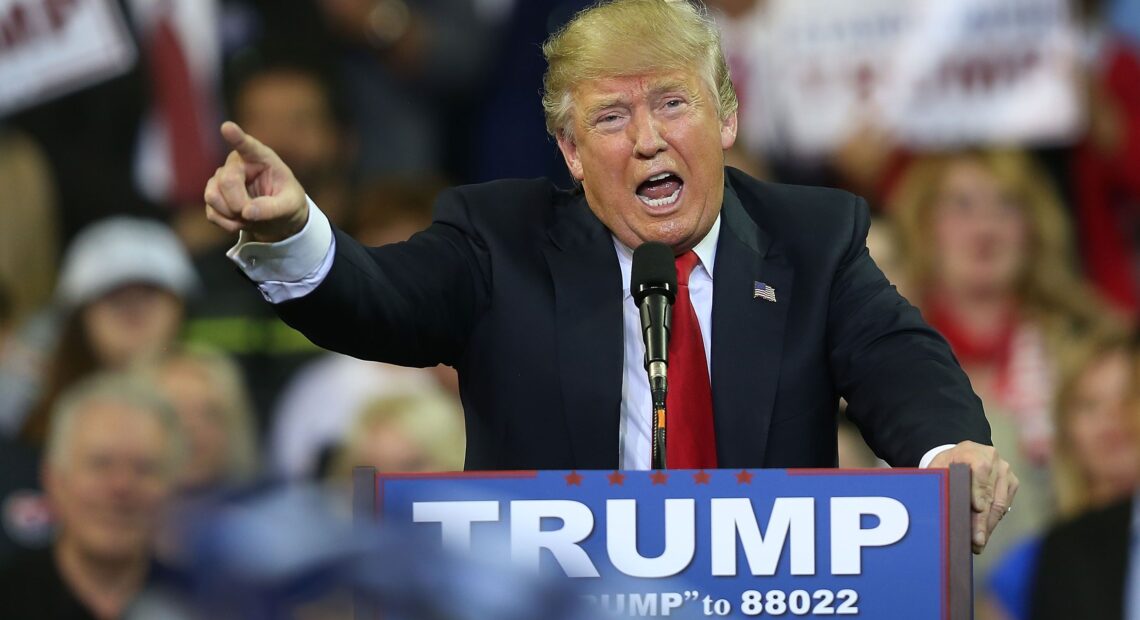
In a move that defies logic and long-standing diplomatic precedent, former U.S. President Donald Trump’s administration imposed sweeping tariffs on India—one of America’s most trusted democratic allies in Asia. This inexplicable economic penalization not only disrupts bilateral trade but also threatens to unravel decades of strategic cooperation between the world’s two largest democracies.
By penalizing India with unjustified tariffs and cozying up to Pakistan’s military leadership, Trump’s foreign policy risks dismantling decades of democratic partnership and regional stability.A historic partnership faces turbulence as Washington penalizes New Delhi and embraces Rawalpindi—leaving India to reassess its global alliances.
For a nation that has stood firm against authoritarianism, partnered on counterterrorism, and embraced open markets, India’s treatment under Trump’s foreign policy lens was nothing short of a betrayal. The tariffs were not just economically damaging—they were diplomatically tone-deaf.
Abandoning Bipartisan Wisdom
For over two decades, successive U.S. administrations—Republican and Democrat alike—have recognized India’s role as a stabilizing force in South Asia. From the landmark civil nuclear deal to joint military exercises and tech partnerships, the Indo-U.S. relationship has been built on mutual respect and shared values.
Trump’s tariff regime shattered that consensus. It signaled to New Delhi that strategic alignment could be sacrificed at the altar of short-term populism. The damage wasn’t just economic—it was symbolic.
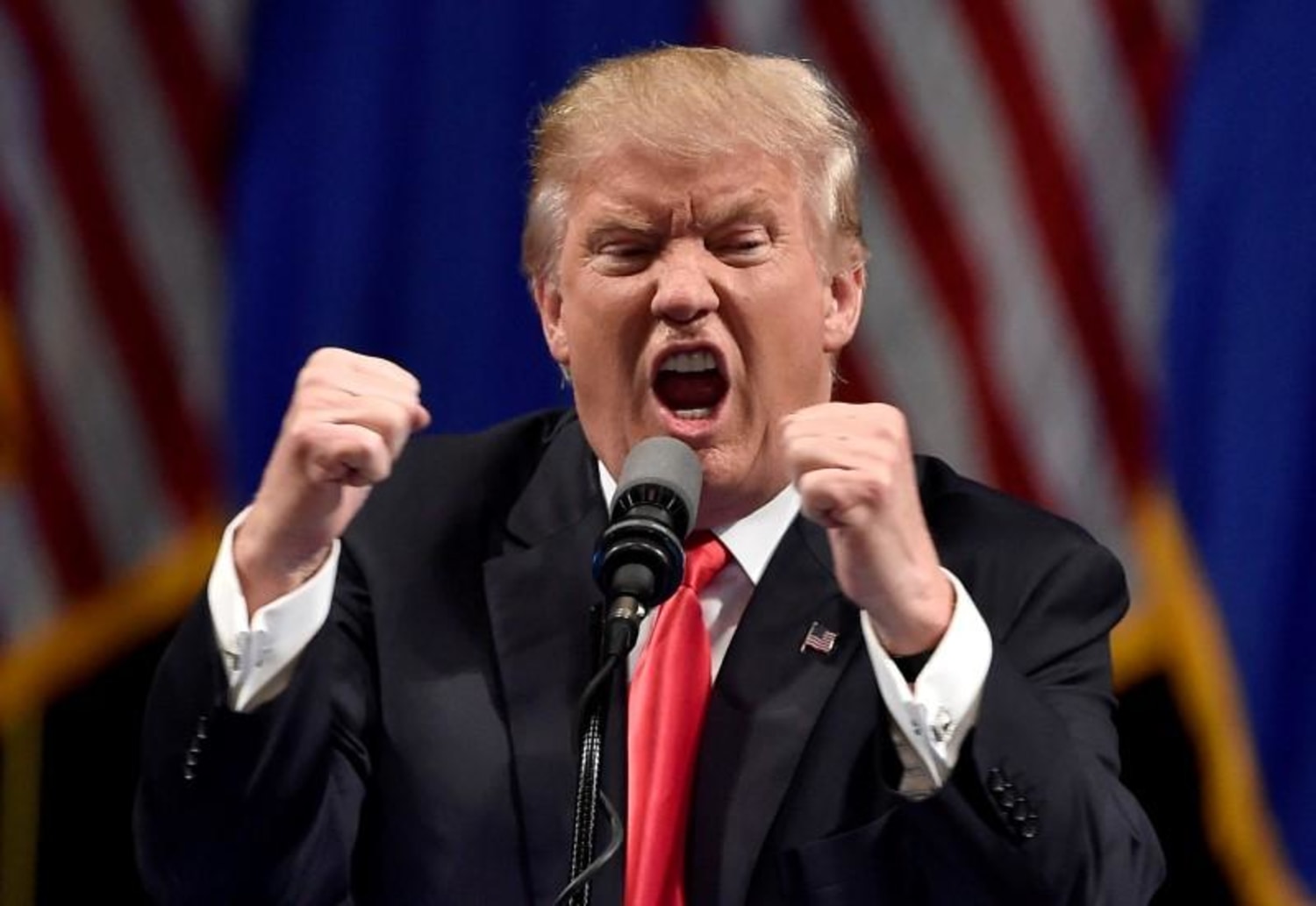
Patronage of Pakistan’s Military: A Dangerous Signal
Even more troubling was the Trump administration’s decision to host Pakistan’s Army Chief General Asim Munir, bypassing Pakistan’s civilian leadership entirely. This move not only undermined democratic norms but also emboldened a military establishment long accused of harboring extremist elements.
India has consistently raised concerns about Pakistan’s support for cross-border terrorism. By engaging directly with its military leadership, the U.S. appeared to sidestep these concerns—and, in doing so, risked alienating a key partner in the fight against global terrorism.
Indo-U.S. Relations: At Risk of Strategic Drift
India and the United States have made historic strides in defense, technology, and people-to-people ties. But these gains are not irreversible. Strategic partnerships thrive on trust, consistency, and shared vision—not erratic policy swings and misplaced allegiances.
Trump’s actions may go down as one of the most consequential blunders in the history of Indo-U.S. diplomacy. If Washington wishes to restore faith in its commitment to democratic allies, it must reaffirm its support for India—not just in words, but in policy.
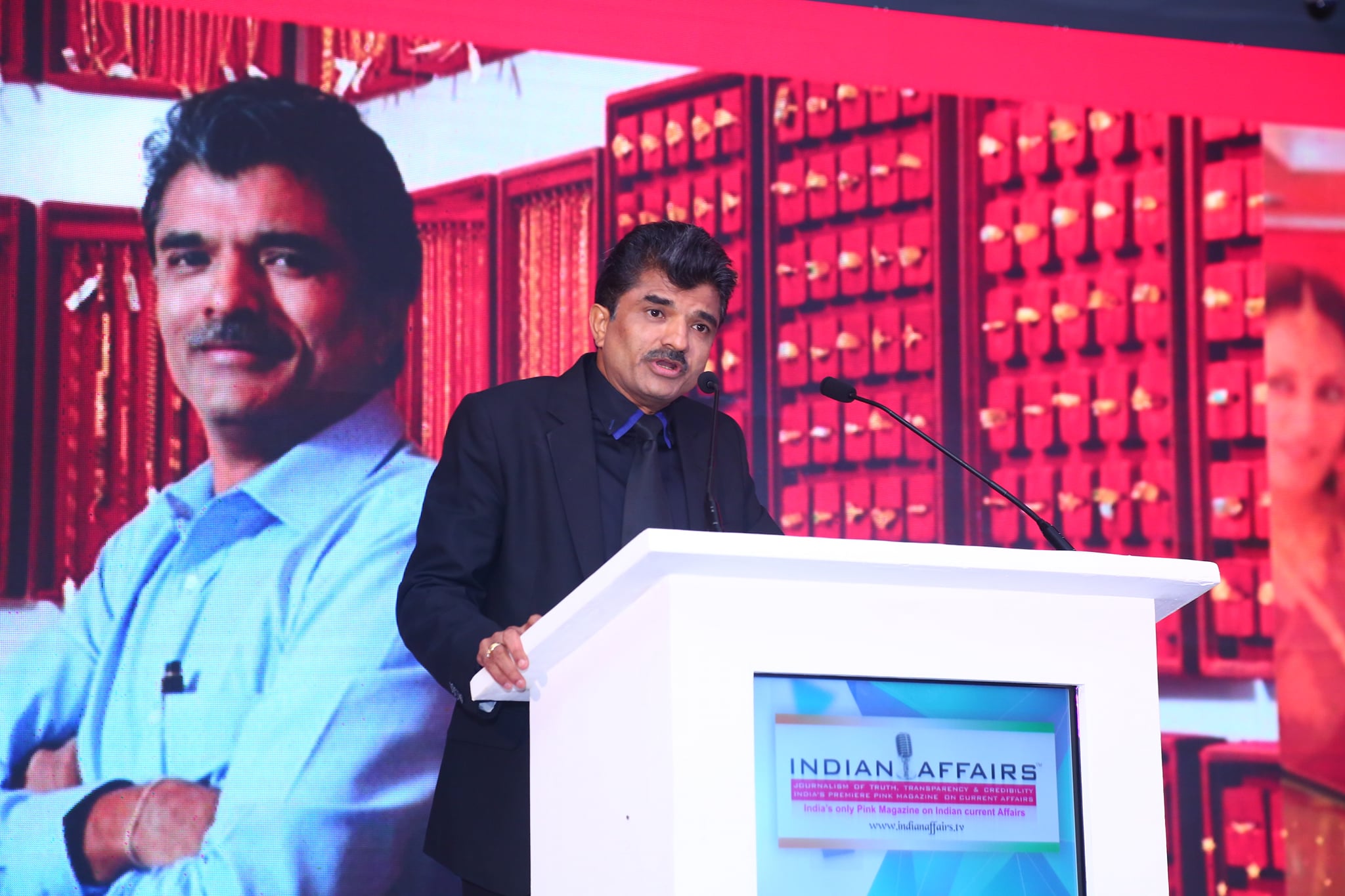
The Author is Dr Satya Brahma, Chairman & Editor-In-Chief of Network 7 Media Group
Author

Related Posts


Satya Brahma’s Vision India
Photo Gallery