Rajiv Nath Rallies for Refund Justice: ‘Don’t Let Capital Die in Compliance Quicksand. Calls for Swift Refund Execution and Transition Support to Empower India’s MedTech Surge.
New Delhi, September 4, 2025. — In a decisive policy shift poised to reshape India’s medical device landscape, the Association of Indian Medical Device Industry (AiMeD) has lauded the GST Council’s landmark reforms aimed at rationalizing tax rates and streamlining compliance. The 56th Council meeting’s approval of a simplified two-tier GST structure—5% and 18%, with a 40% slab for sin goods—has been hailed as a breakthrough for domestic manufacturers grappling with liquidity constraints and global competitiveness.
Key Pointers :
- GST Council’s Reform Script Wins Applause—Now Comes the Execution Test
- From Paperwork to Progress: AiMeD Demands Refunds on Services and Capital Goods
- Transition or Turmoil? AiMeD Seeks Packaging Grace Period to Avoid Anti-Profiteering Pitfalls
- India’s MedTech Makers Eye Global Edge—If GST Refunds Flow as Promised
- GST Reform Is a Start—AiMeD Wants It to Be a Sprint, Not a Bureaucratic Marathon
- Refunds, Registrations, Reform: AiMeD’s Triple Test for GST Council’s Credibility
Key Reforms Unveiled
- Risk-Based Refunds: 90% provisional refund under the inverted duty structure (IDS) to be sanctioned akin to zero-rated exports. CBIC to operationalize from November 1, 2025.
- Compliance Ease: Accelerated registration for low-risk taxpayers within 3 days, simplified return formats, and pre-filled filings to reduce bureaucratic drag.
Industry Reaction: A Call for Speed and Scope
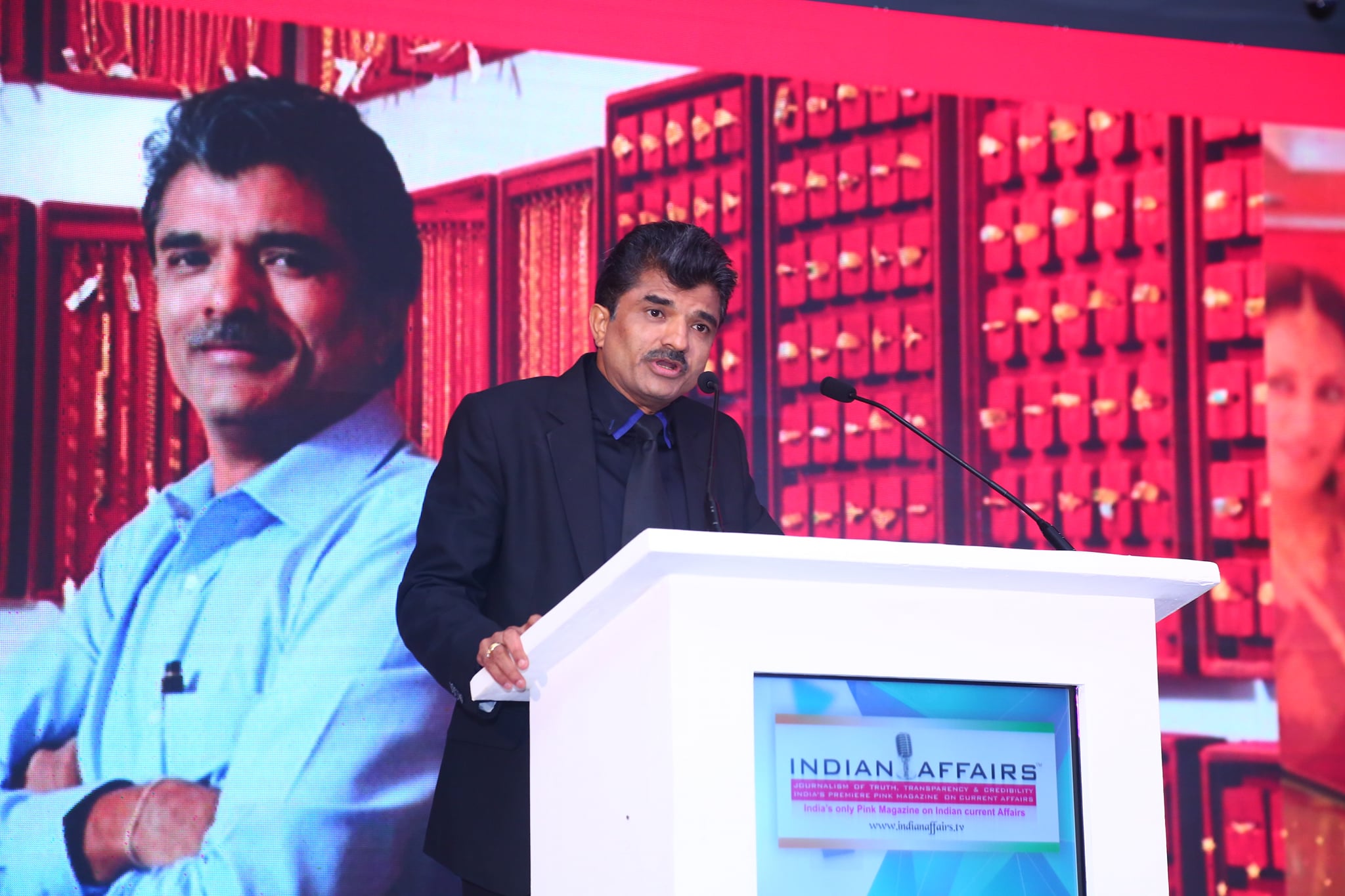
Mr. Rajiv Nath, Forum Coordinator of AiMeD, welcomed the reforms with cautious optimism:
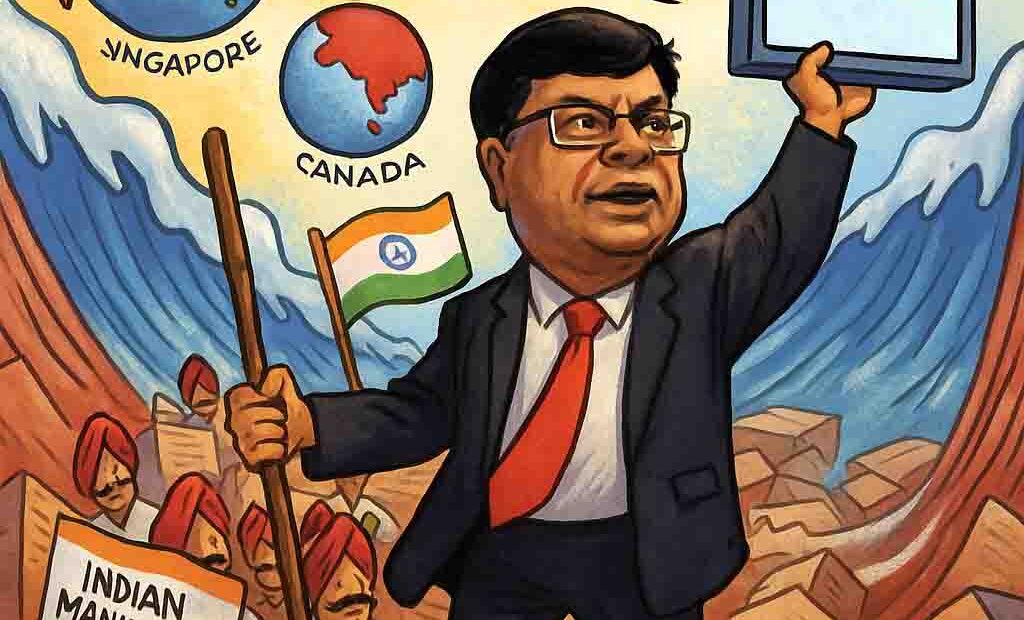
“We welcome the path-breaking decision to reduce GST from 12% to 5%, provided refunds on accumulated GST are executed within 7 days. Our inputs are taxed at 18%, leading to blocked working capital. We urge inclusion of refunds on services and capital goods—standard practice in progressive economies like Australia, Singapore, and Canada—to truly level the global playing field.”
Nath also emphasized the need for a transition buffer to adapt packaging materials and avoid punitive action under anti-profiteering norms:
“We intend to pass on GST benefits to consumers by proportionately reducing MRPs, but a transition period is essential to avoid unintended compliance risks.”
Strategic Implications for India’s MedTech Ecosystem
AiMeD underscored that the reforms—if swiftly and holistically implemented—could unlock liquidity for over 1,800 domestic manufacturers, reduce device costs for patients, and catalyze India’s emergence as a global hub for affordable, high-quality medical technologies.
The Association of Indian Medical Device Industry (AiMeD) represents the interests of India’s MedTech manufacturers, advocating for policy reforms, quality standards, and ecosystem development. With a mission to make India self-reliant and globally competitive, AiMeD plays a pivotal role in shaping the future of healthcare innovation and patient safety.
Author
Related Posts



Satya Brahma’s Vision India

Photo Gallery